Home


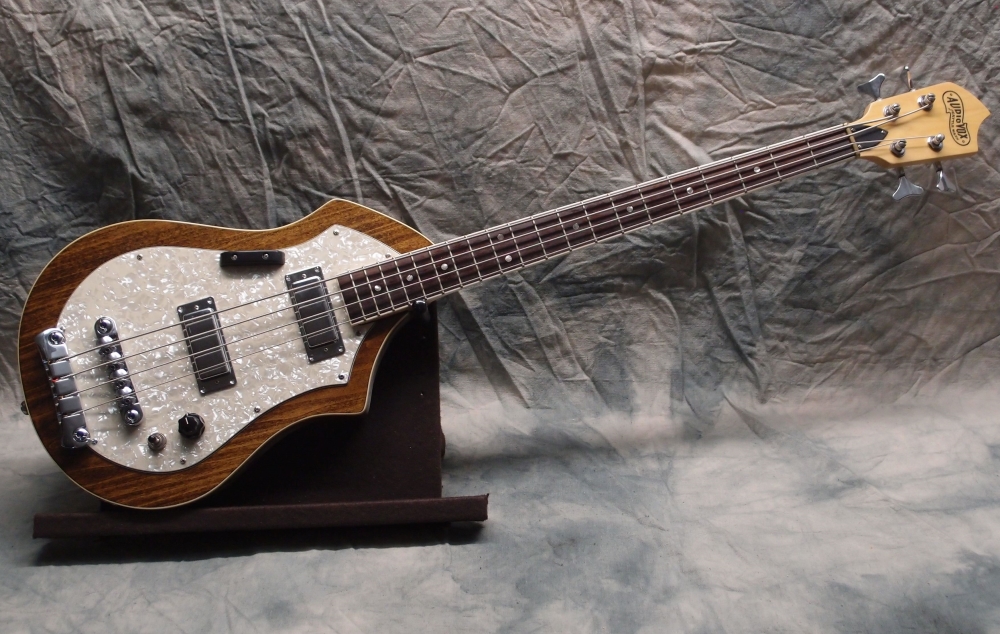
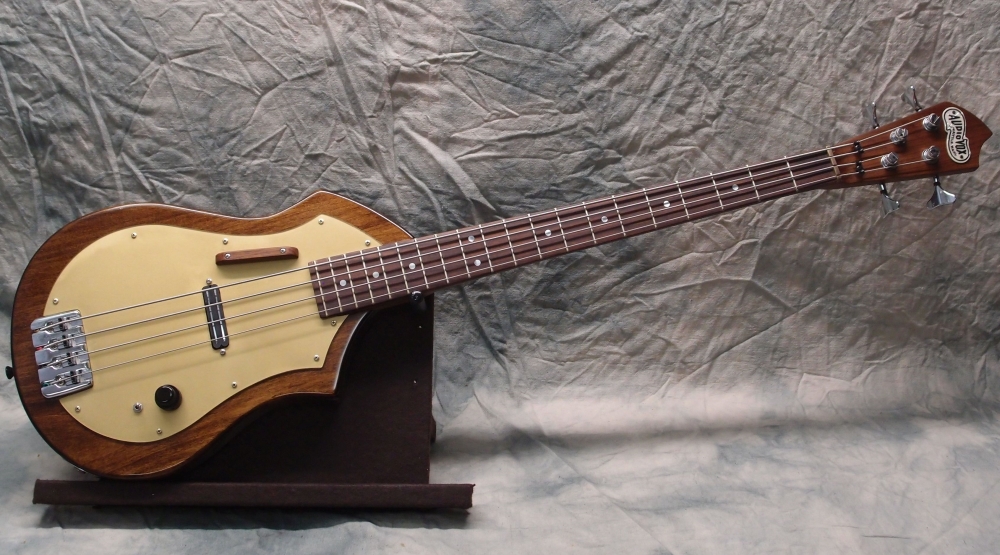
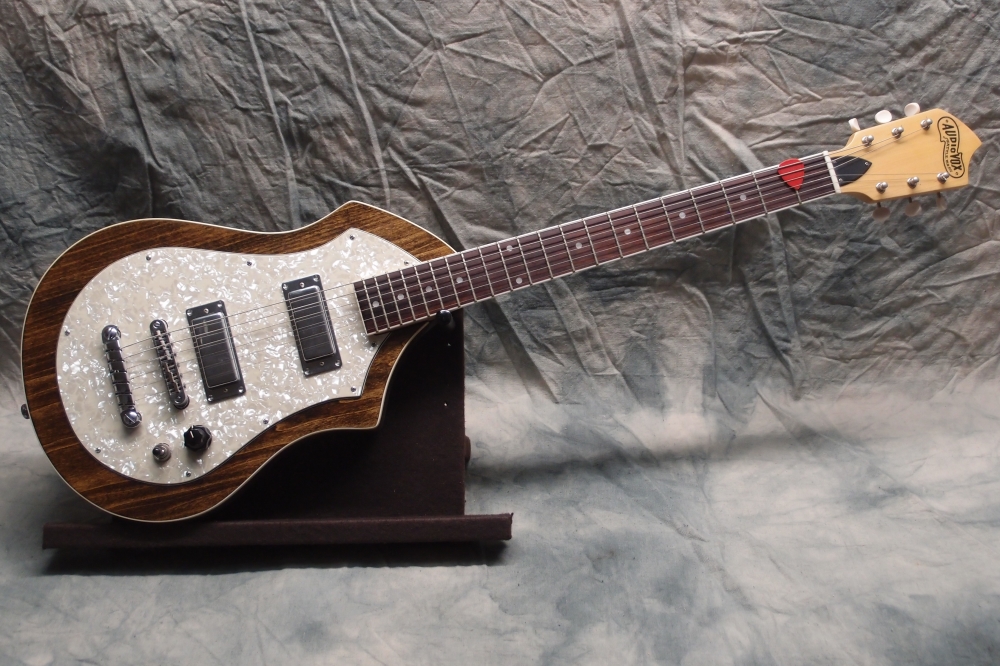
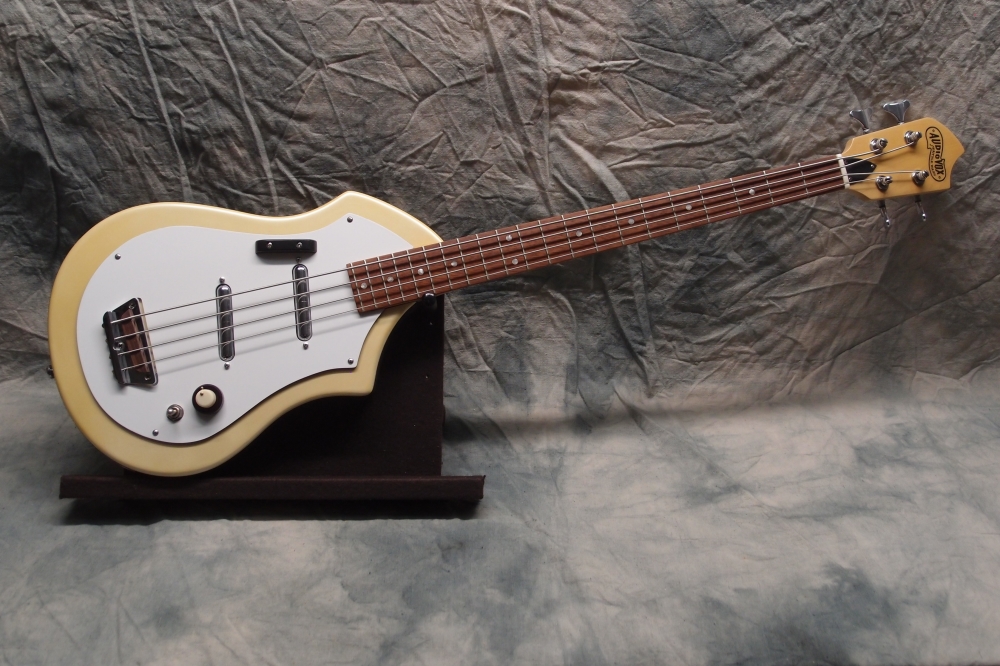
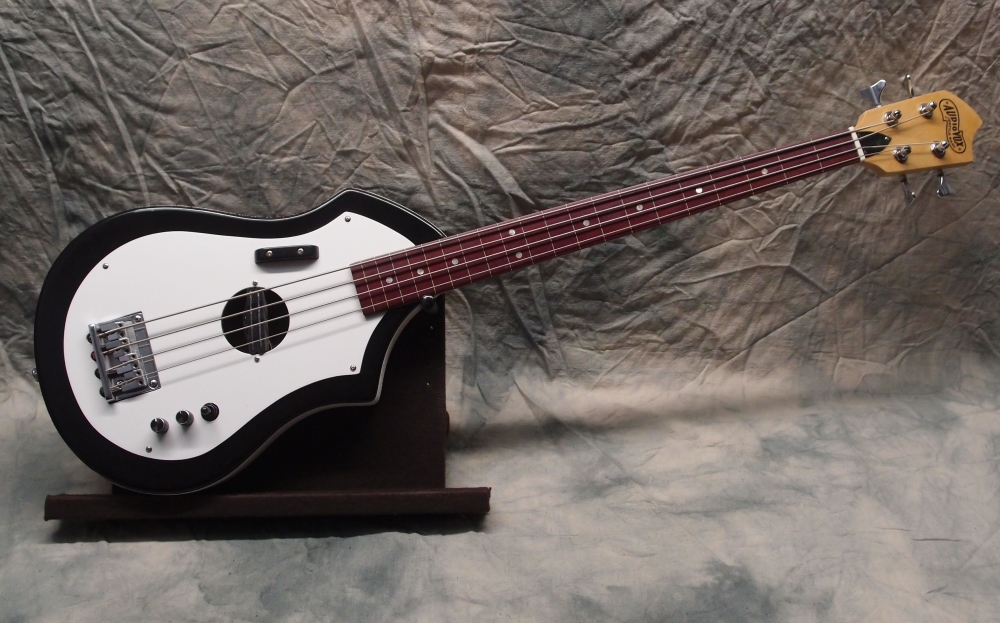
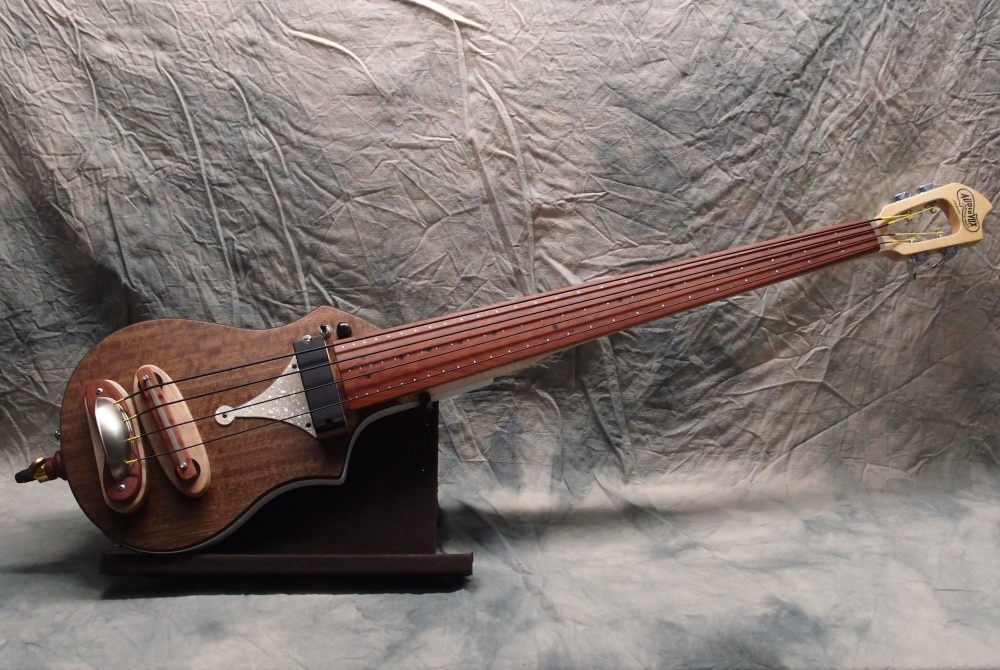
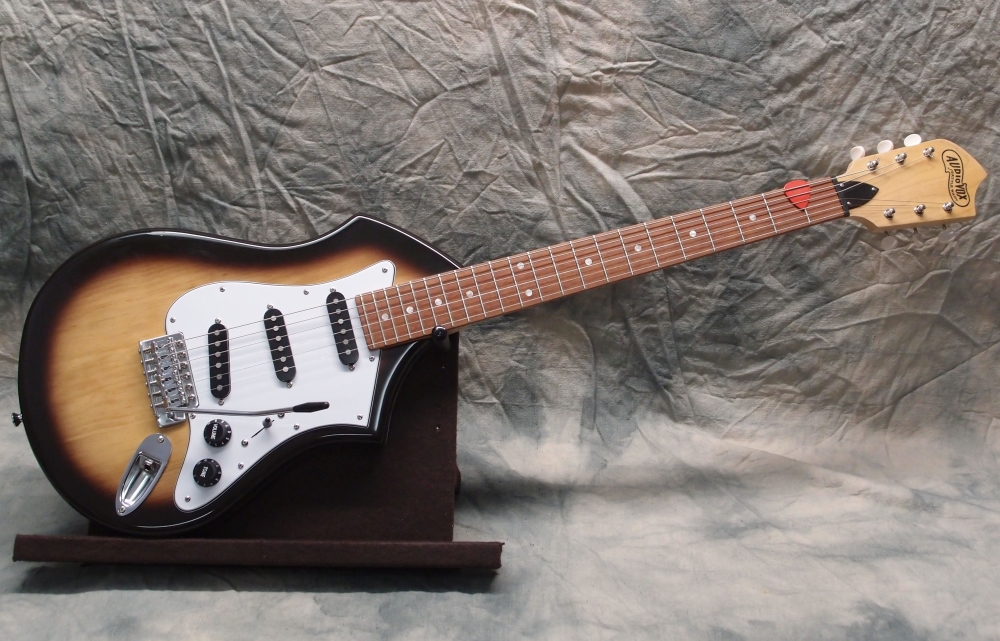
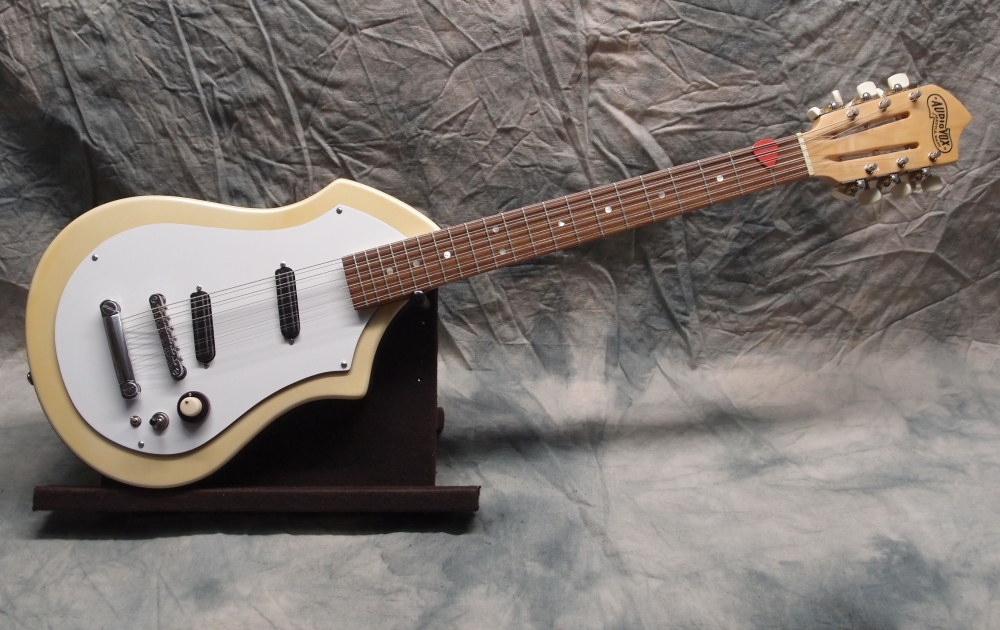
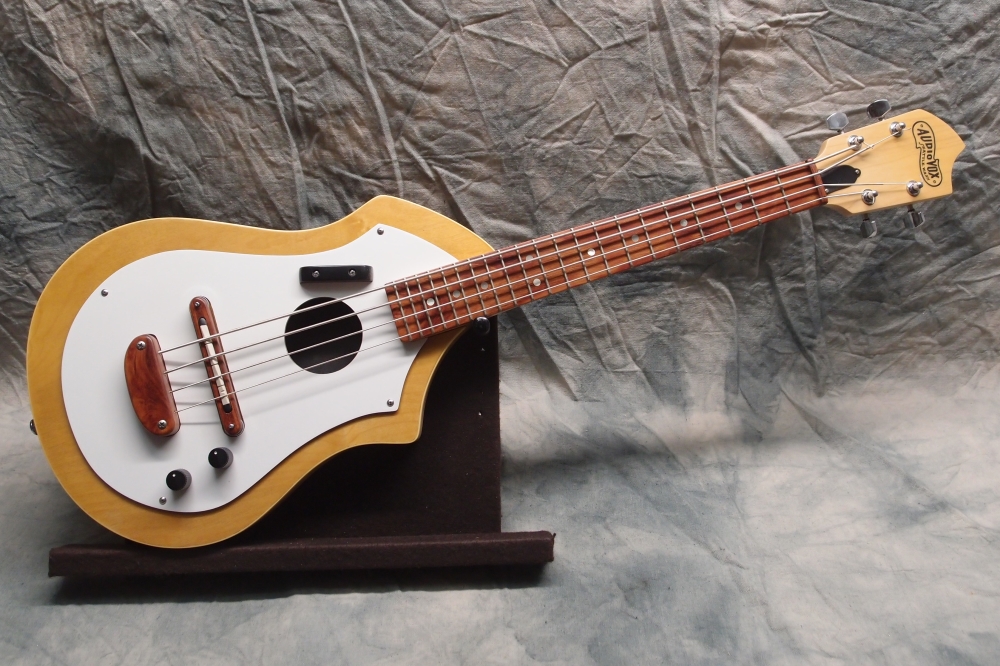
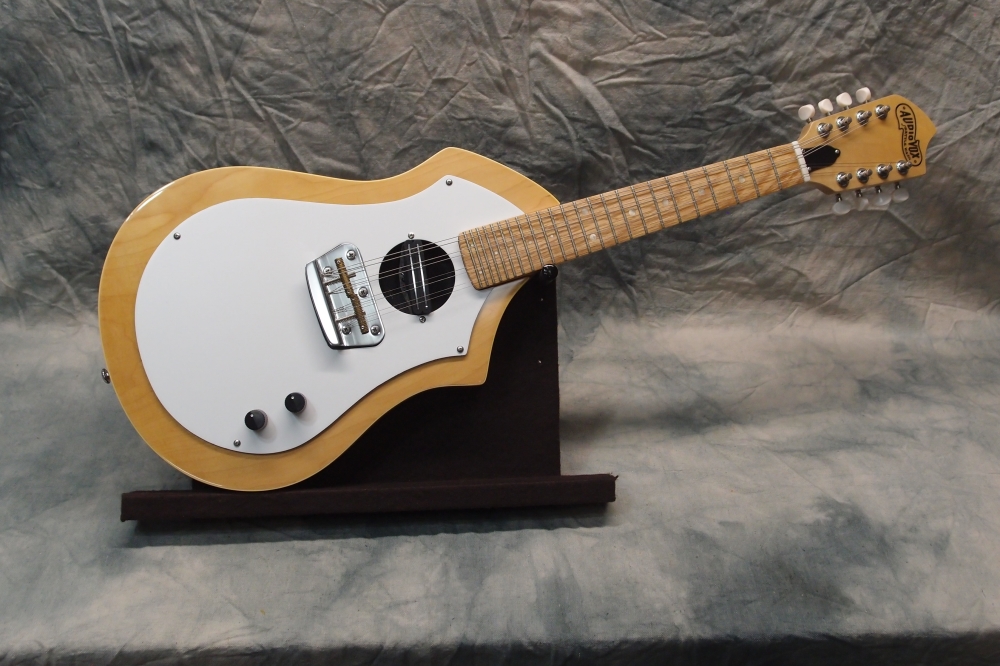
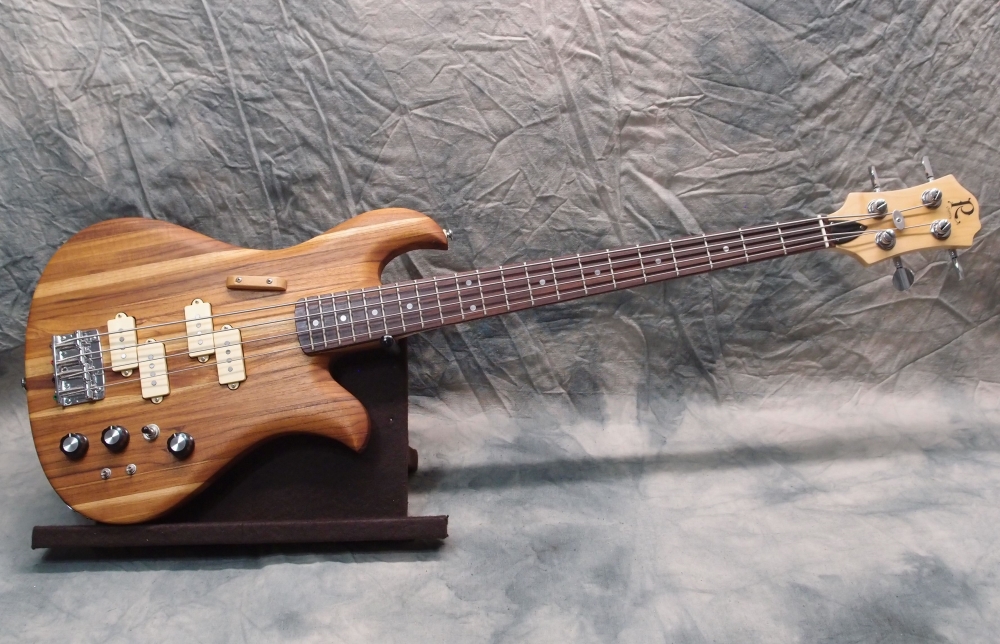
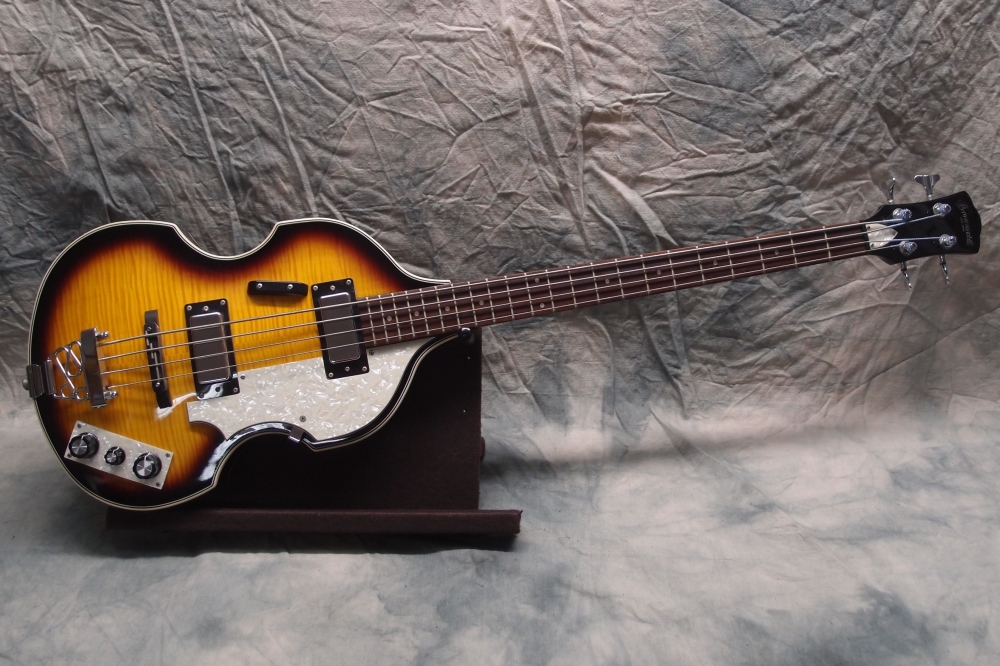
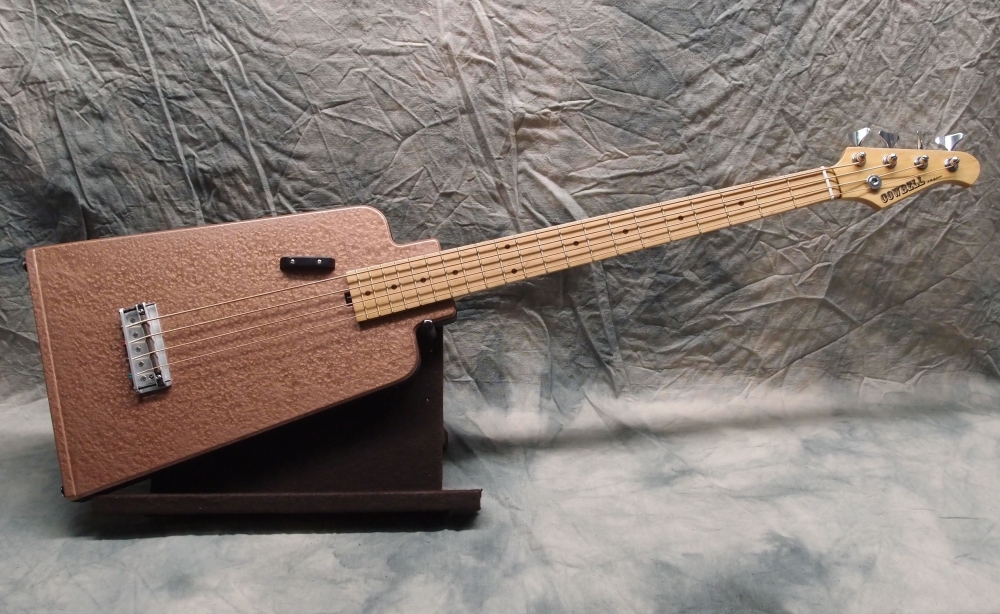
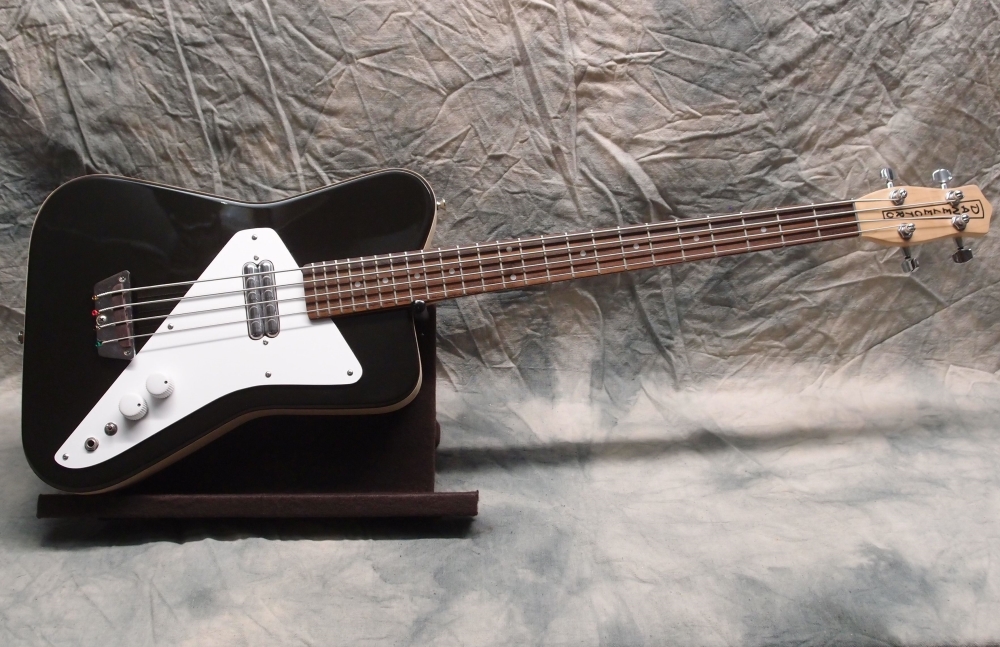
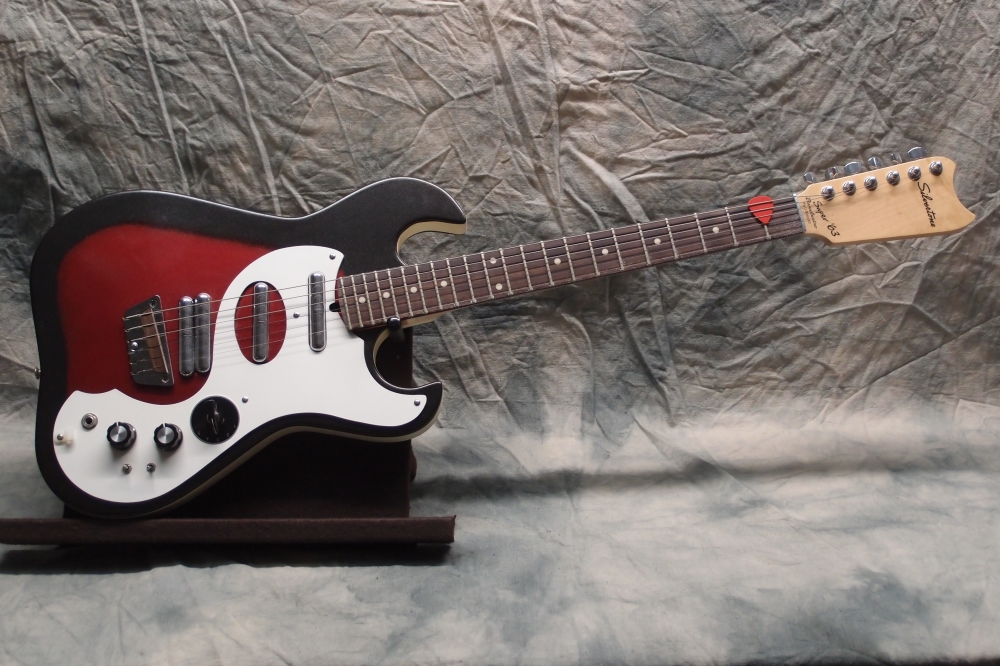
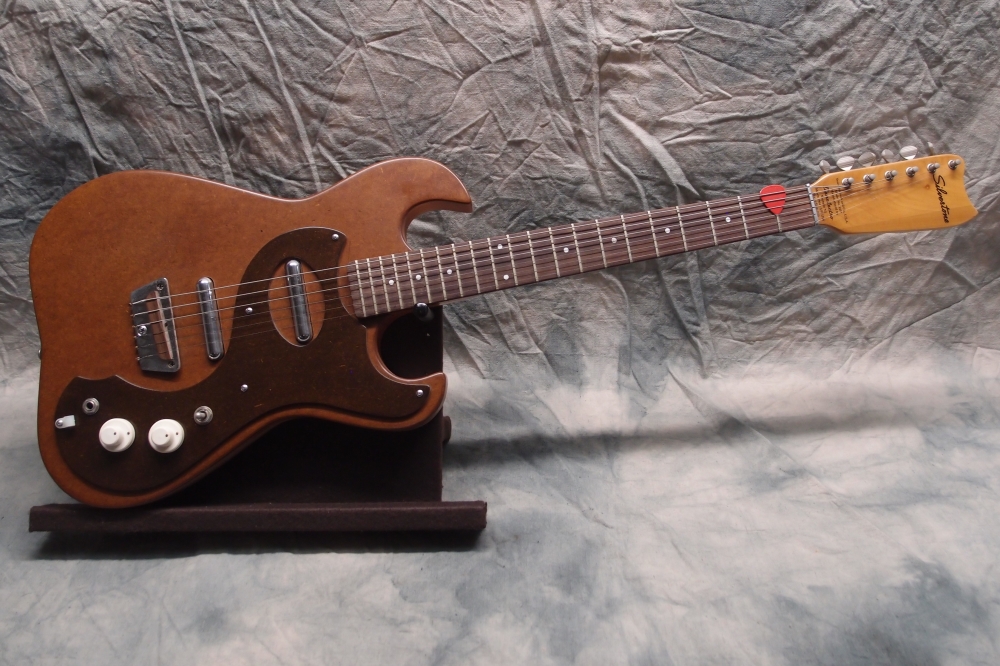
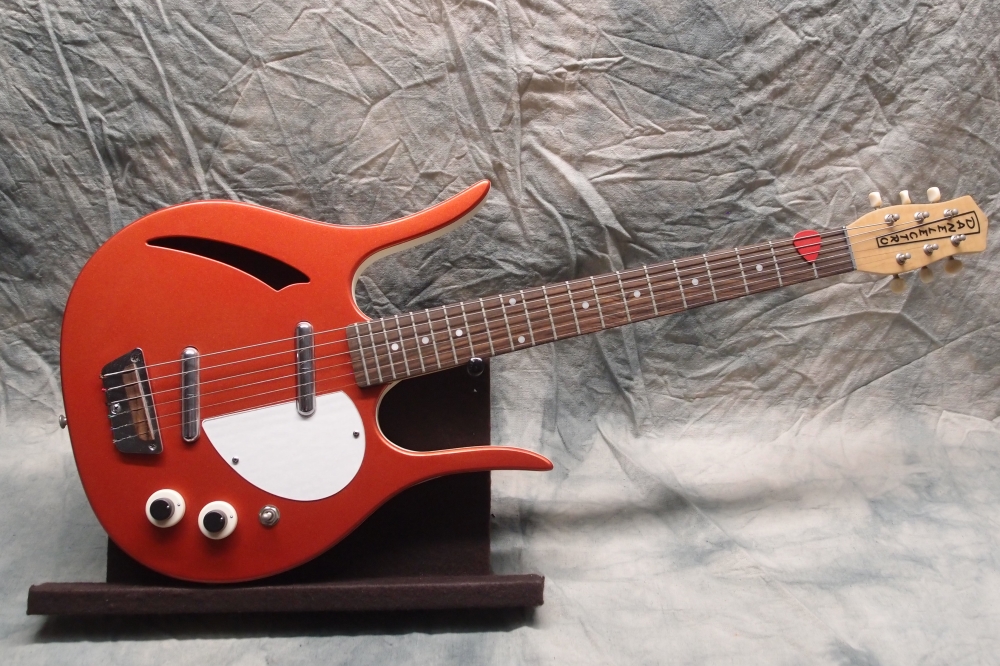
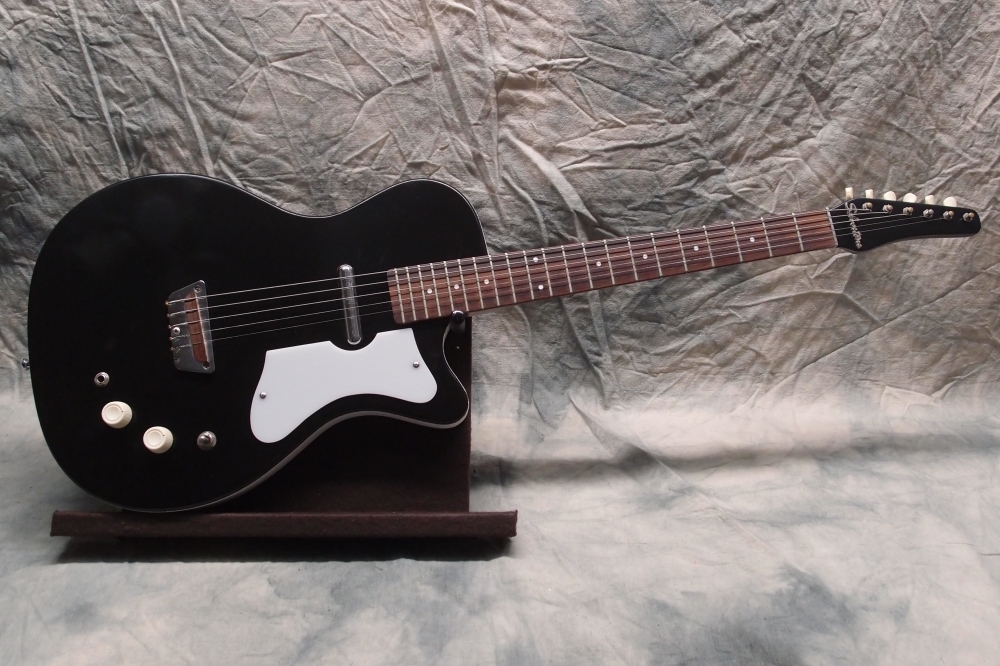
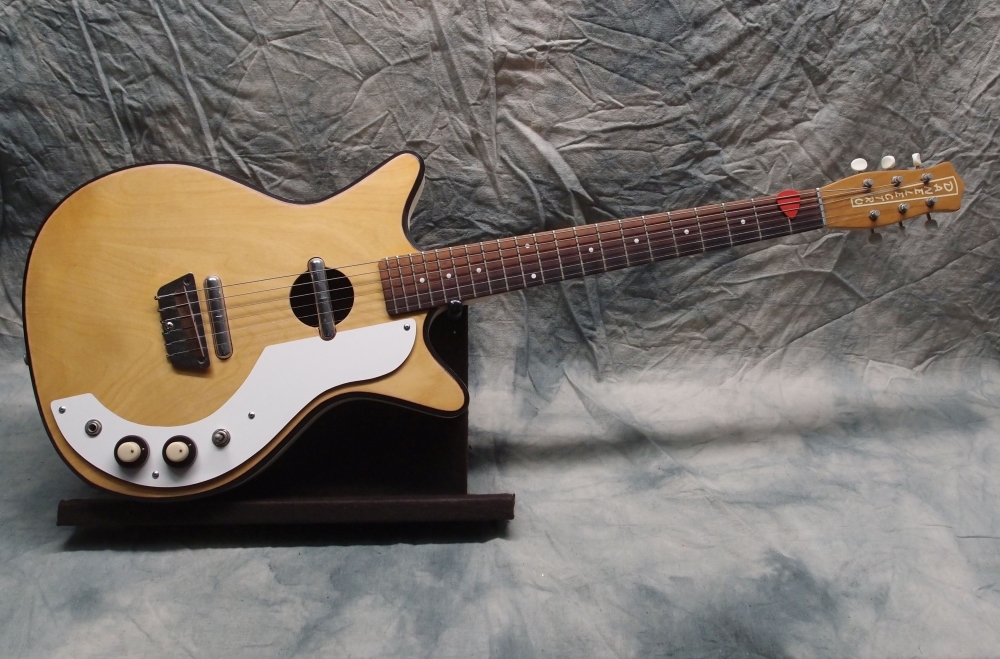
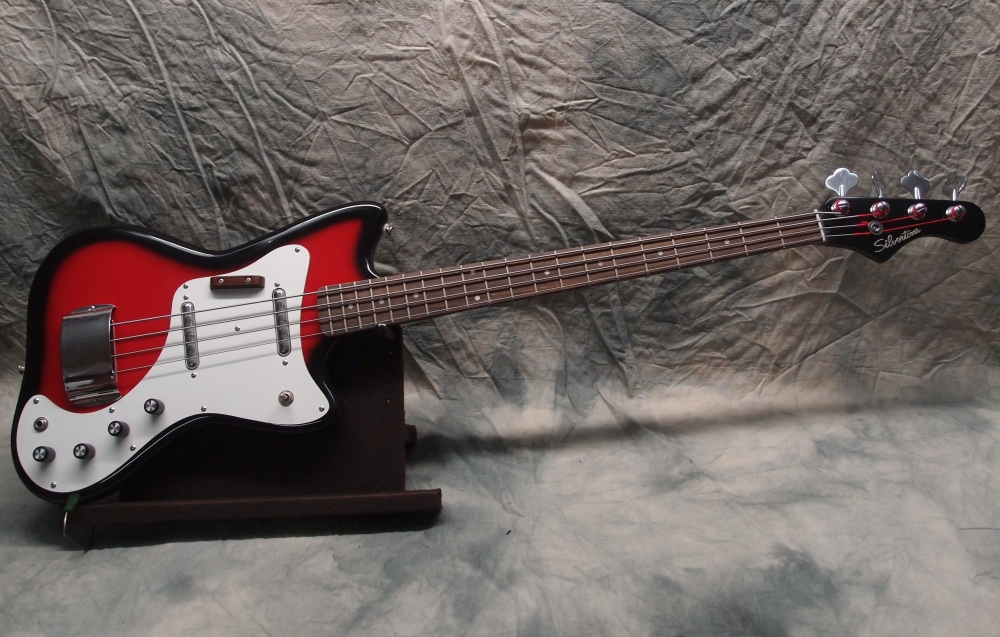
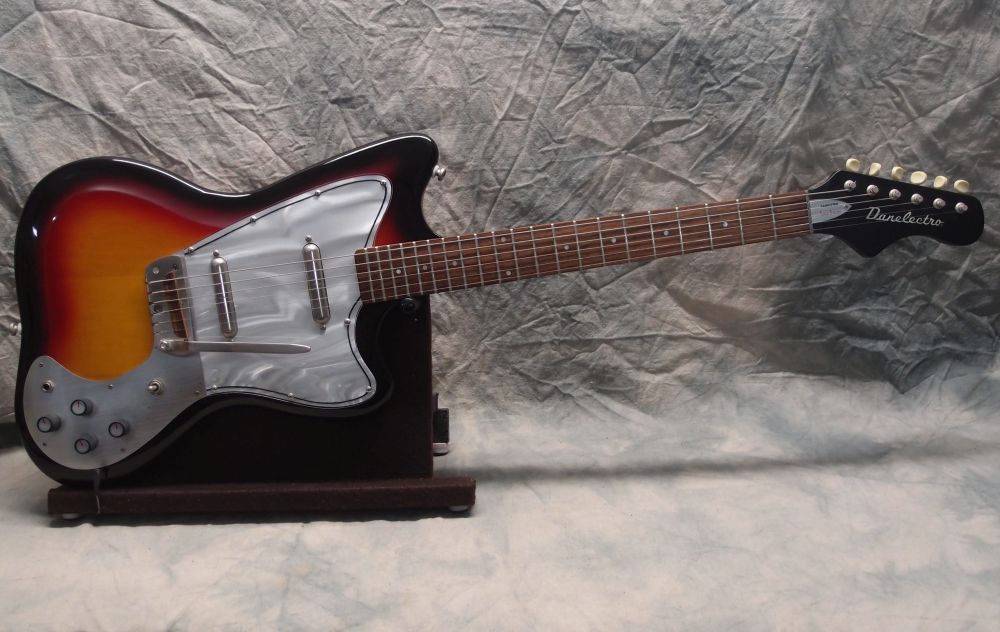
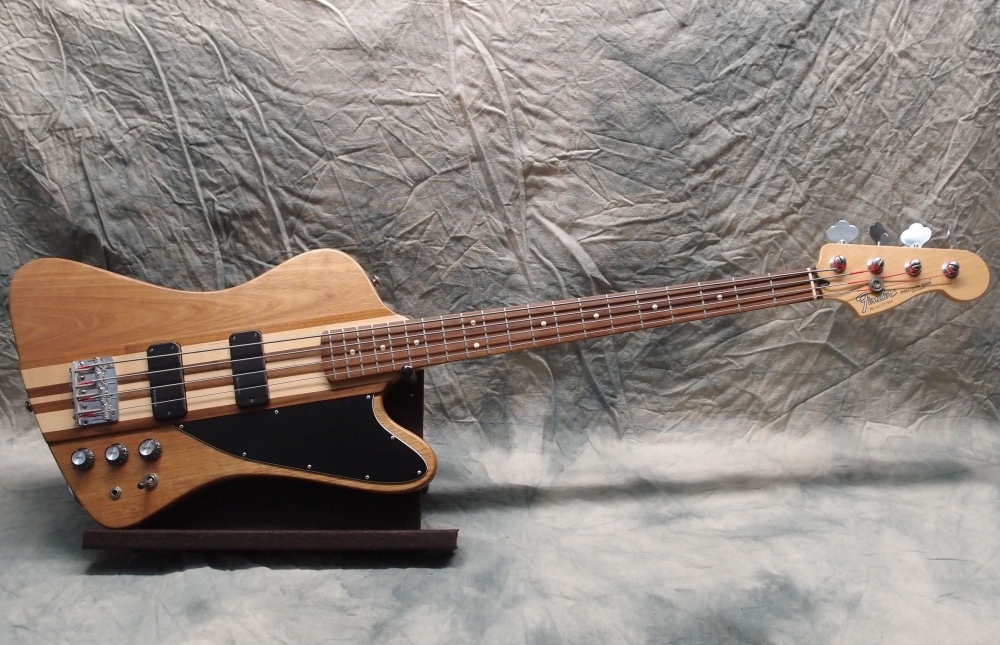
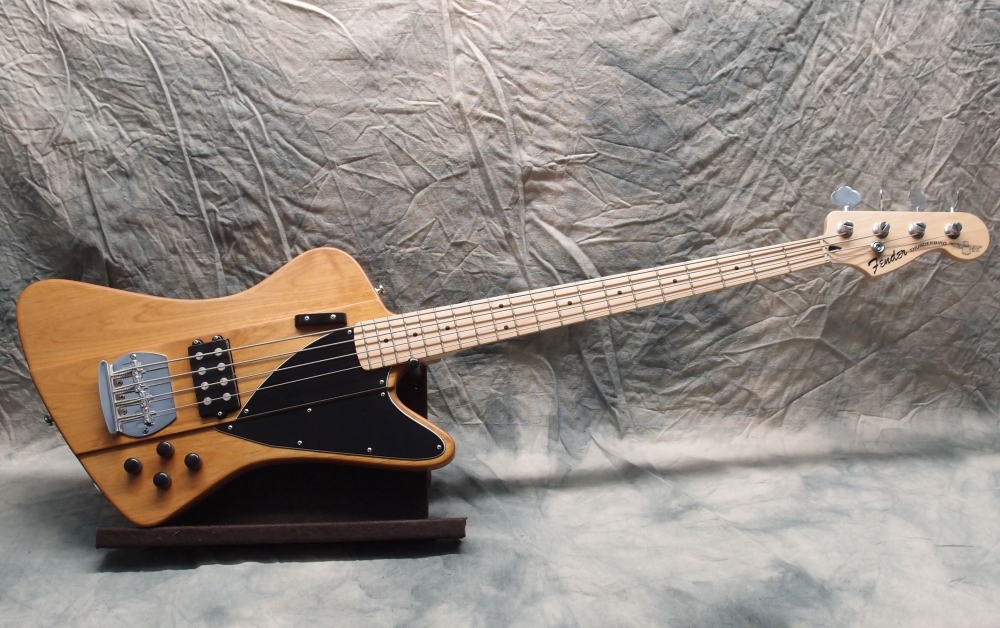
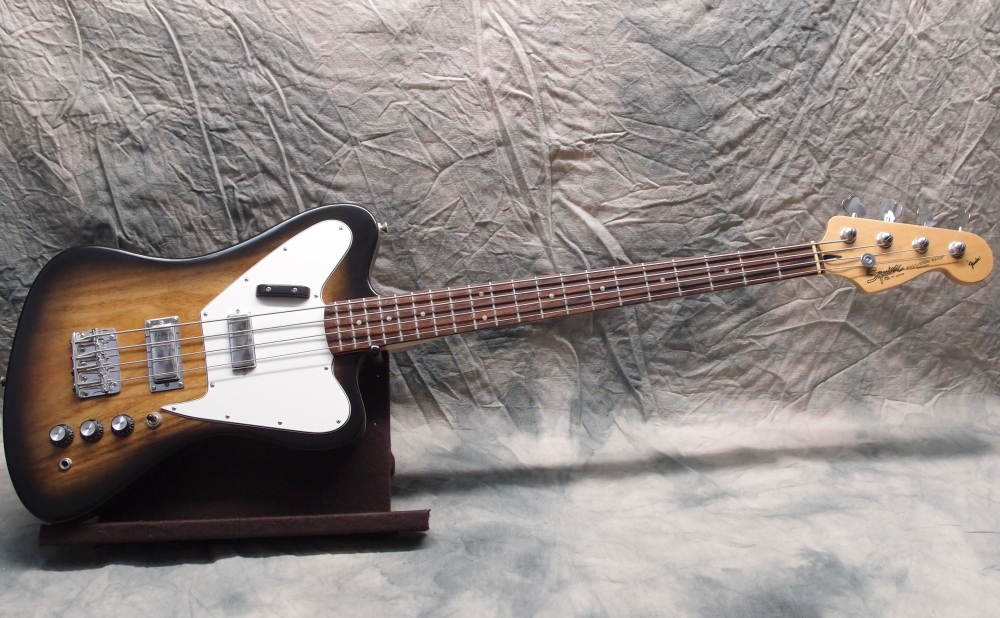
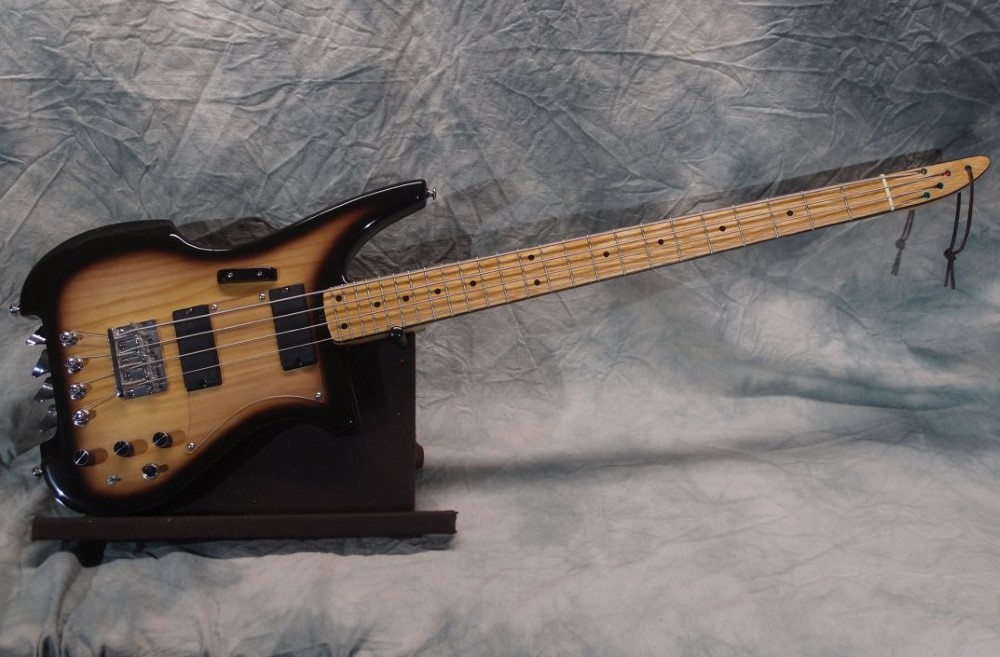
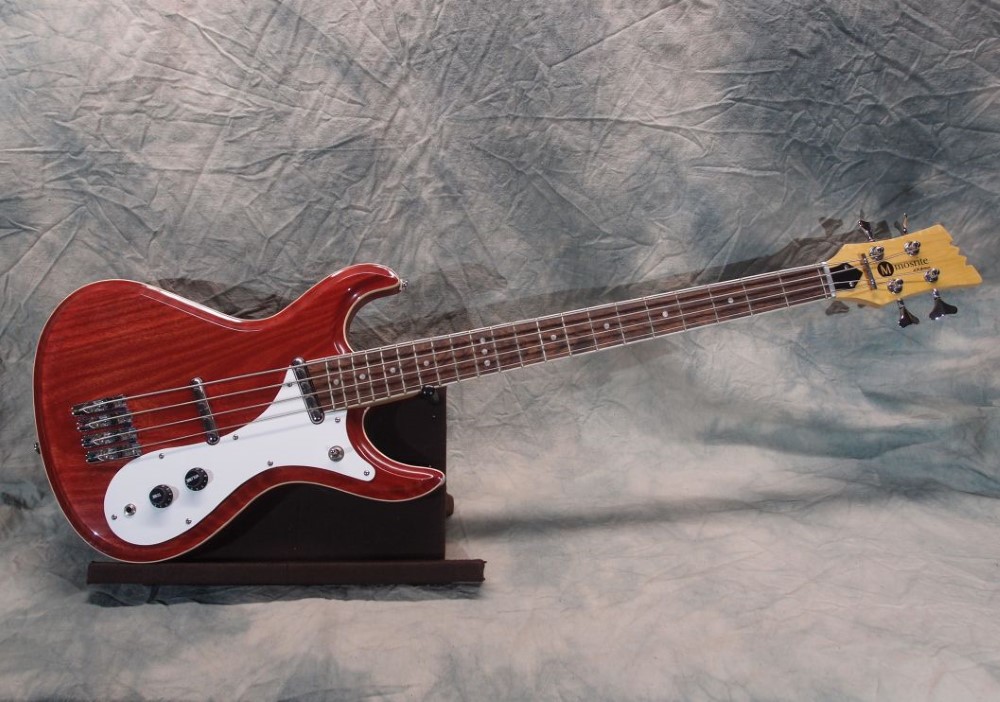
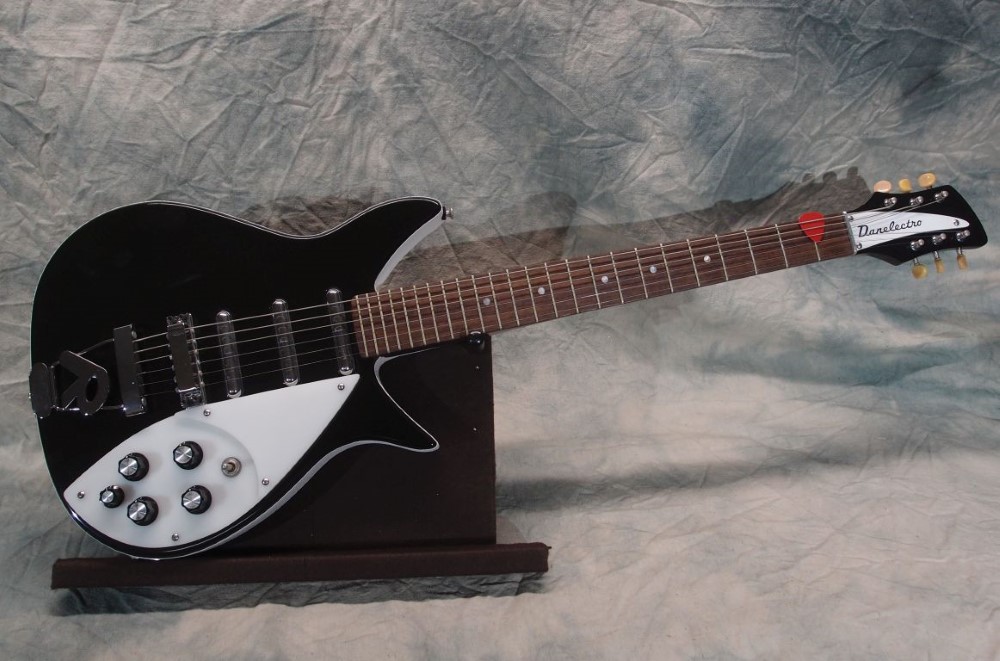
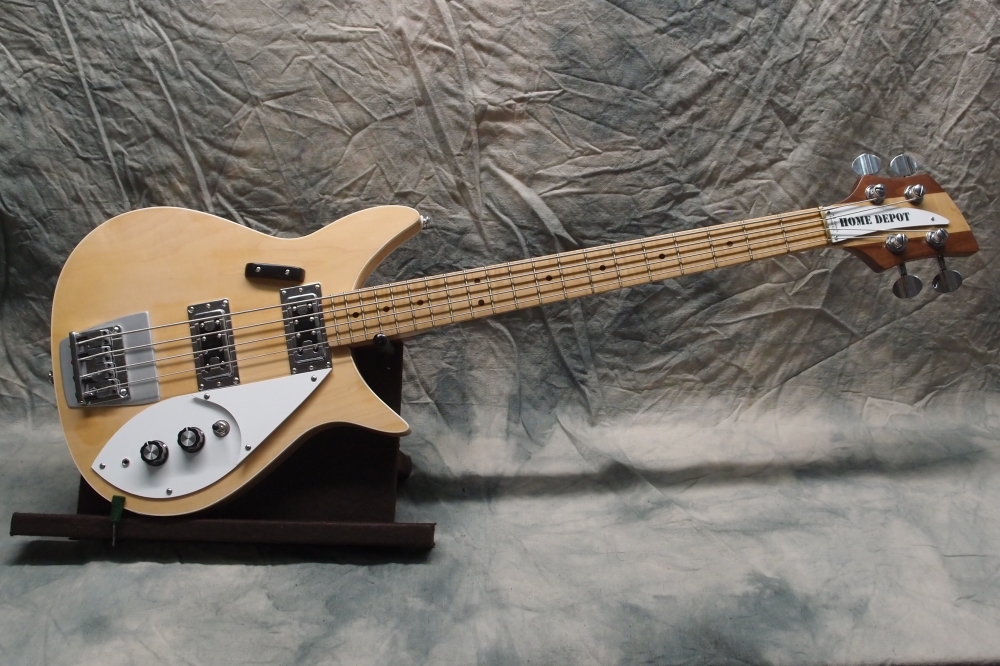
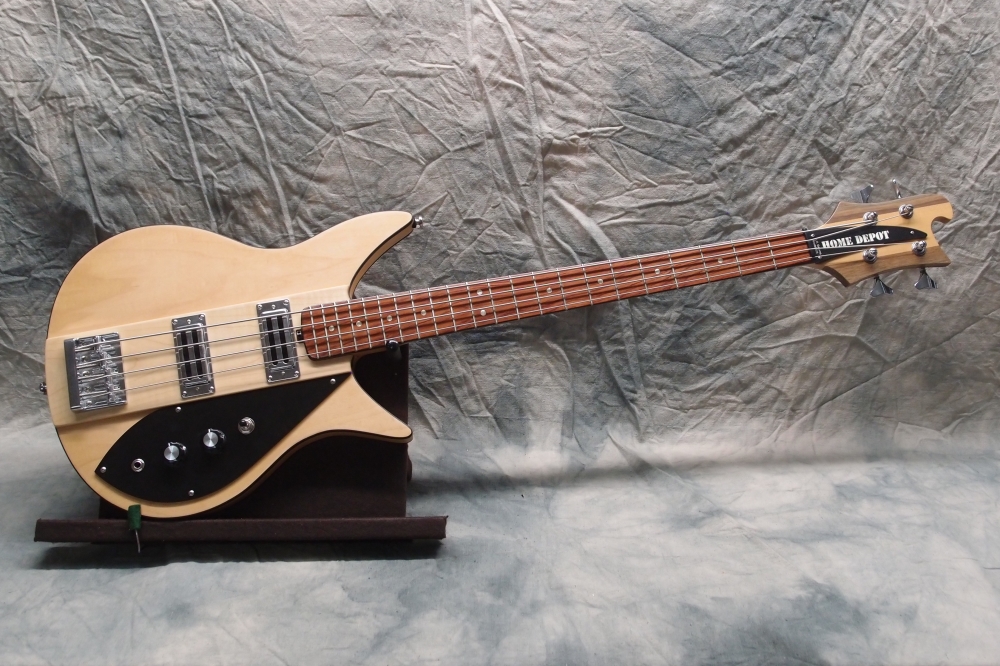
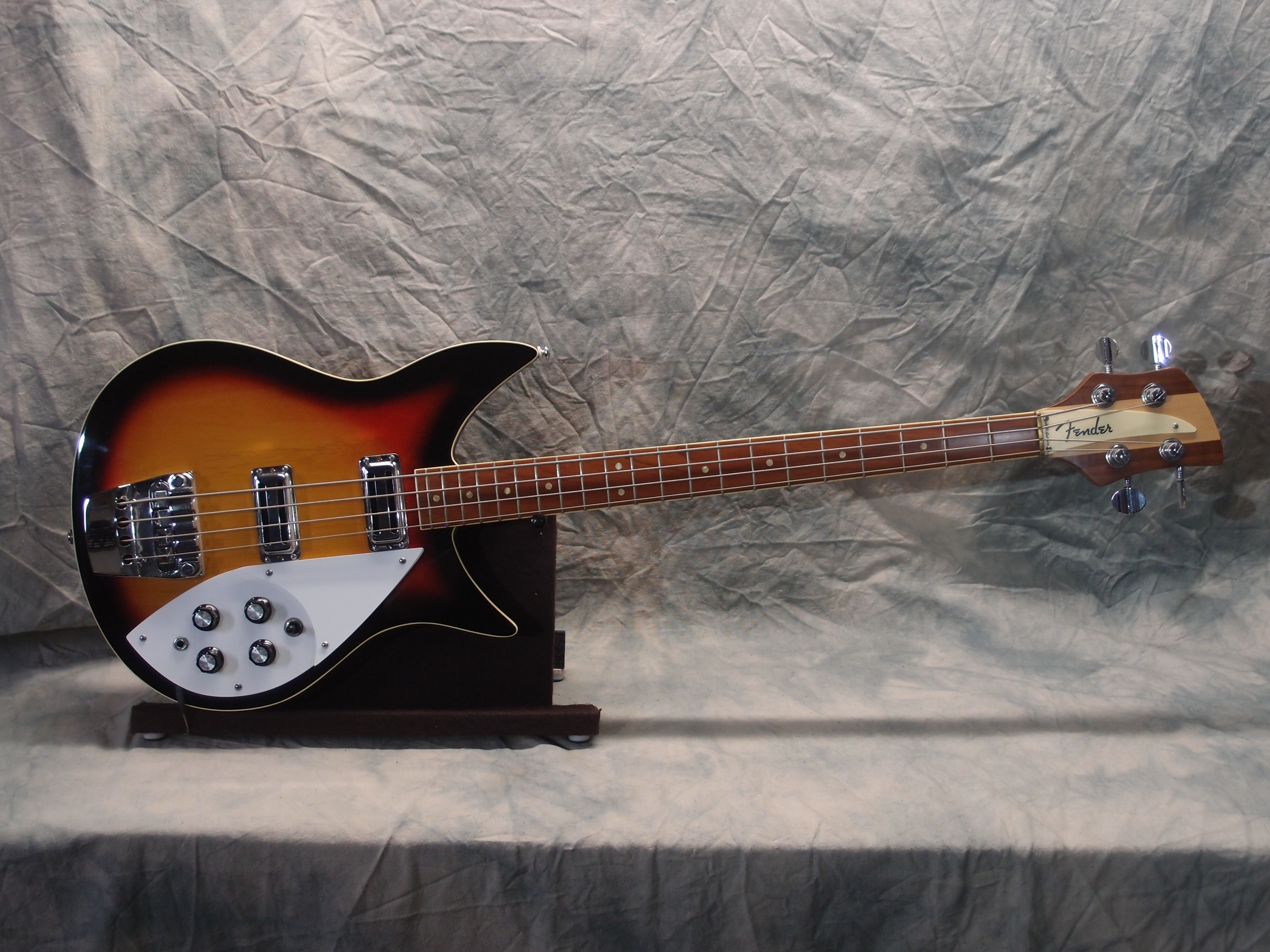
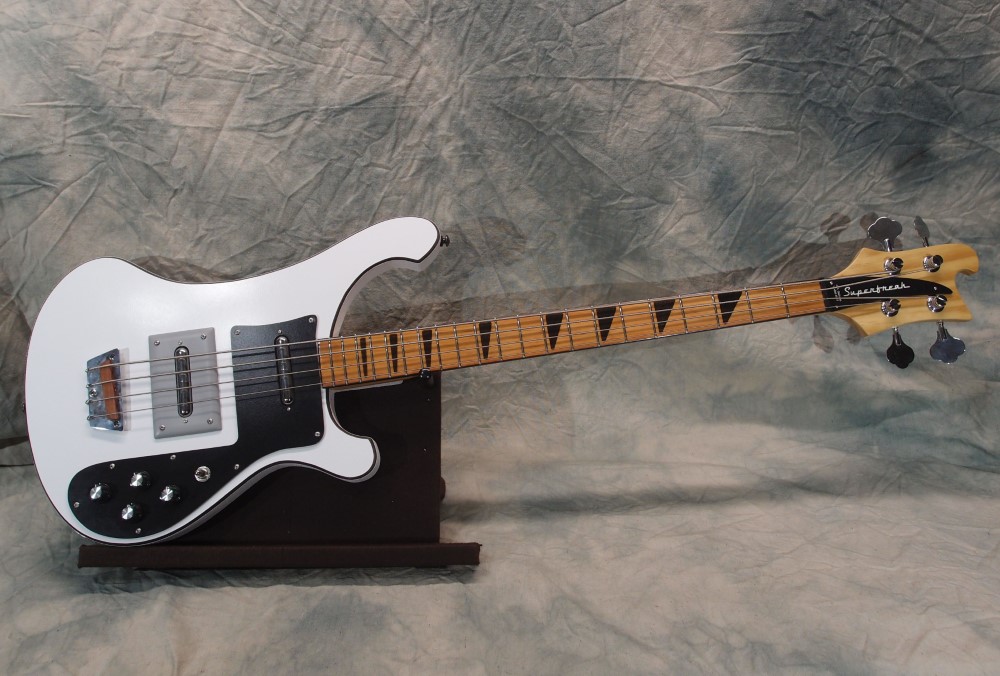
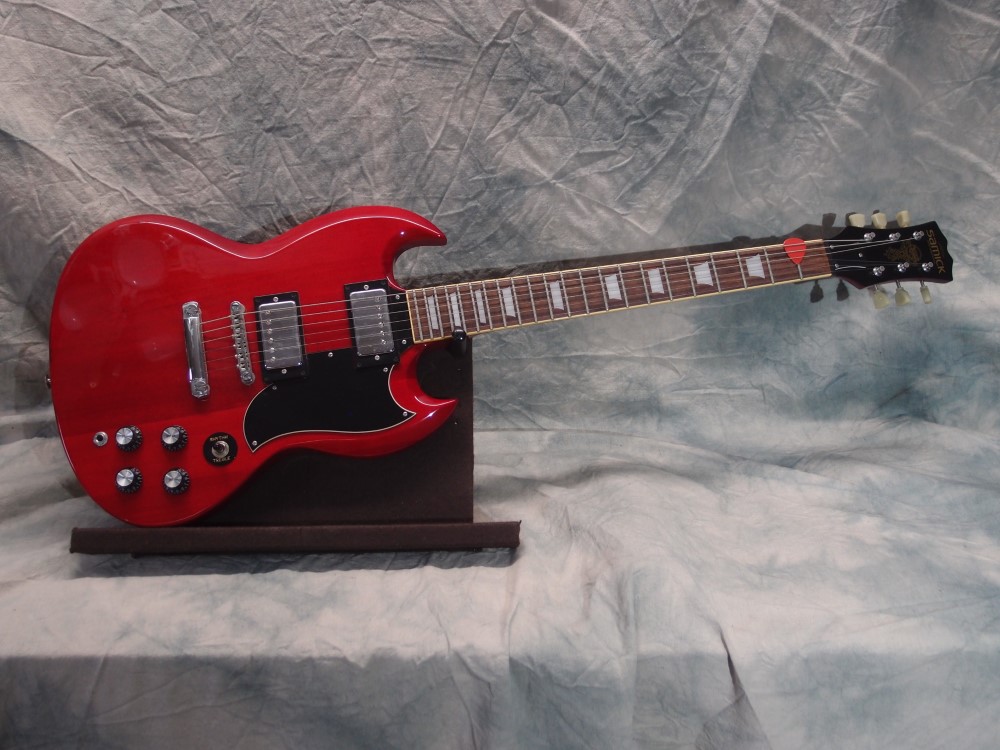
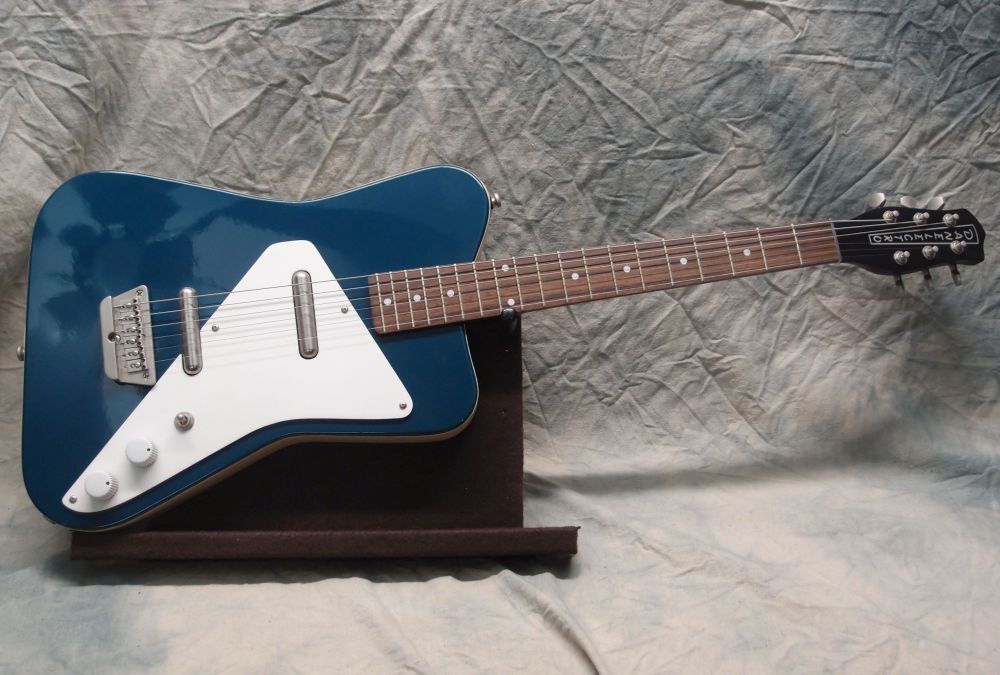
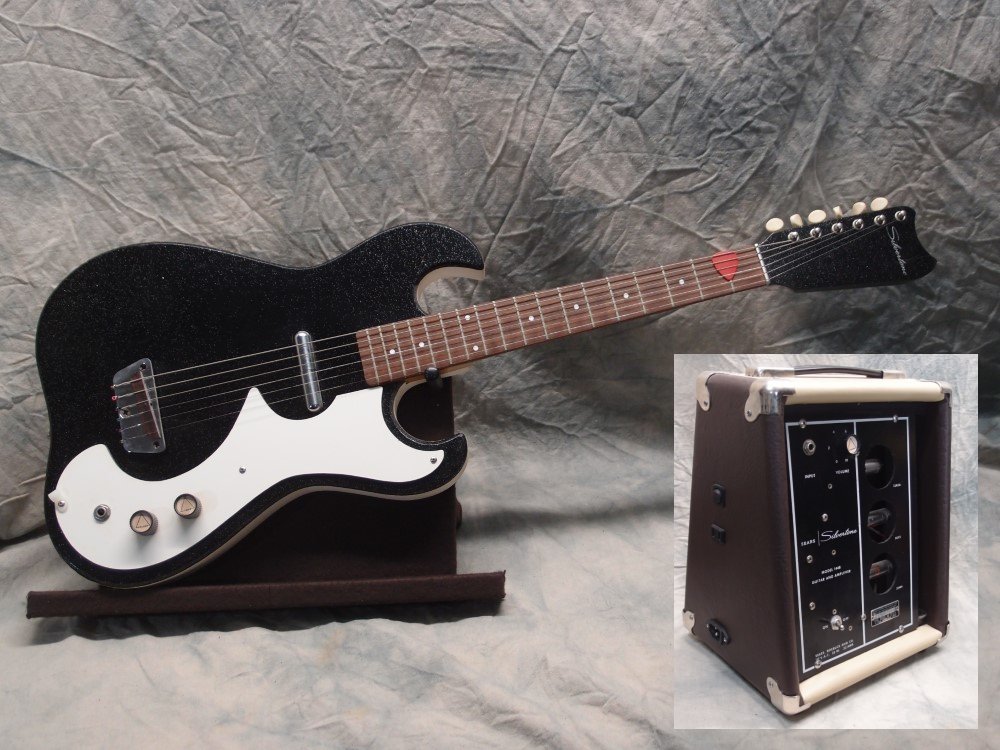
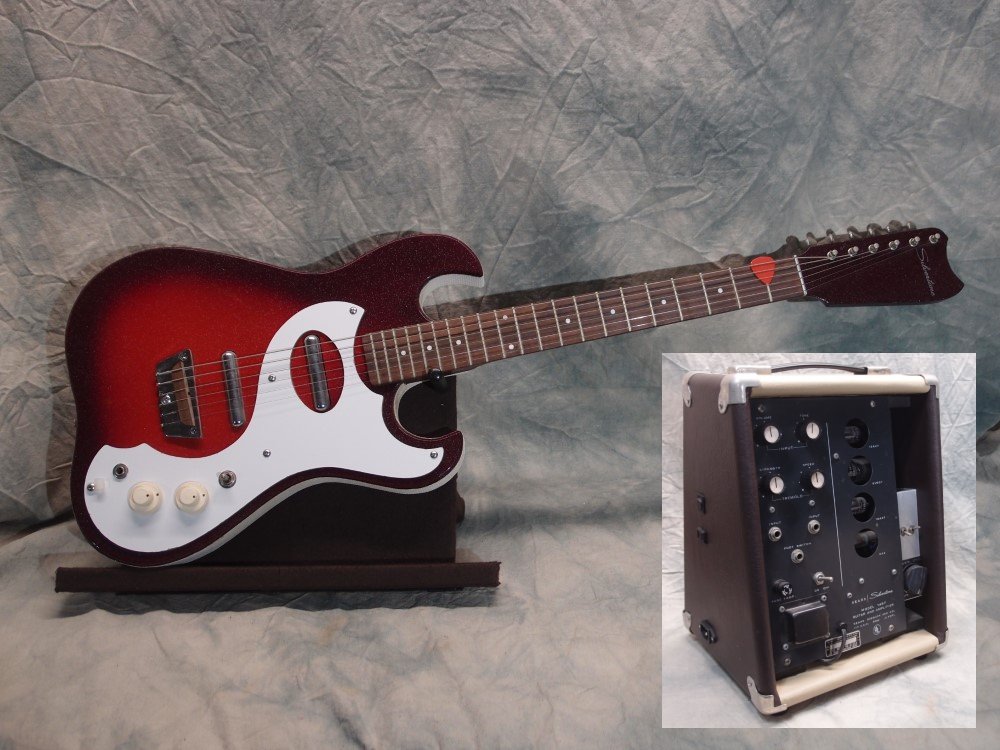
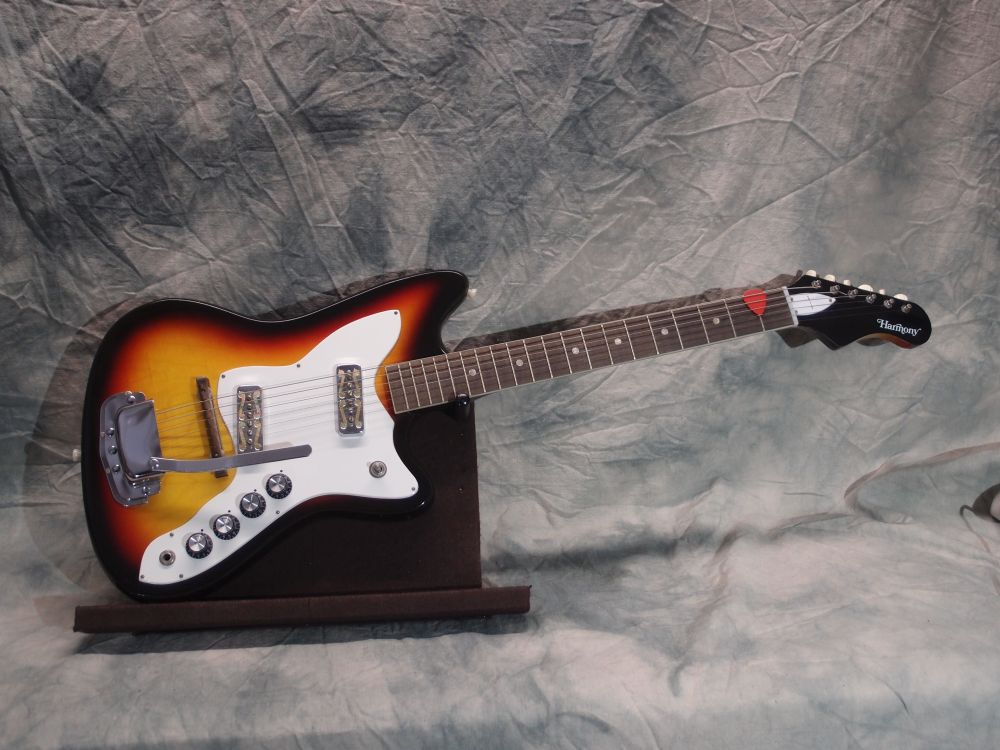
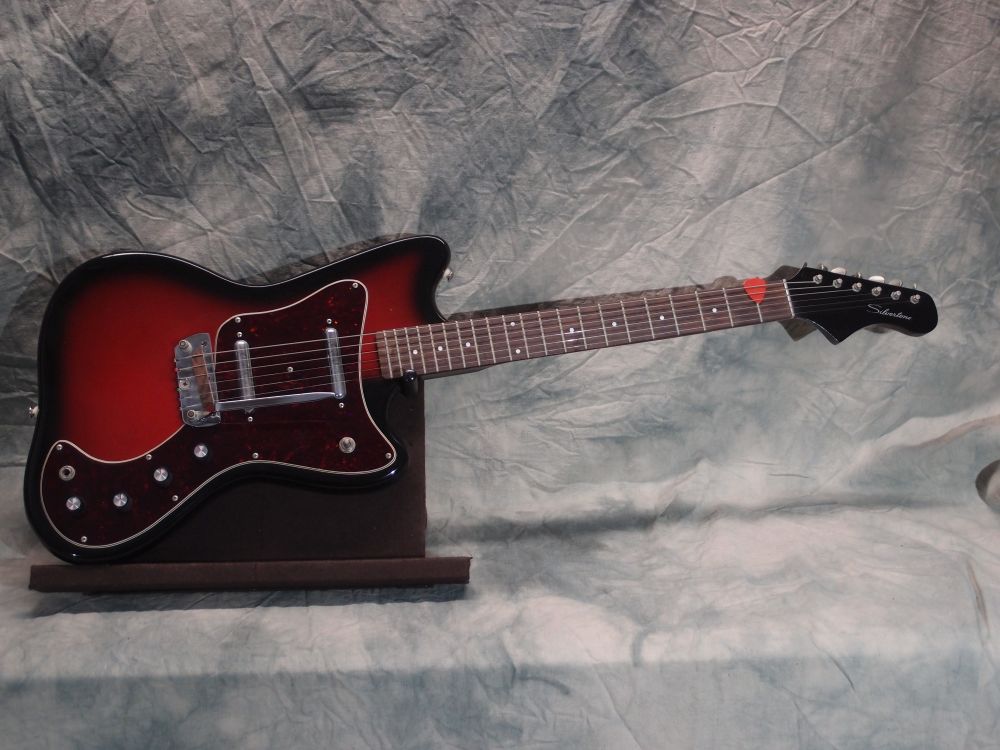
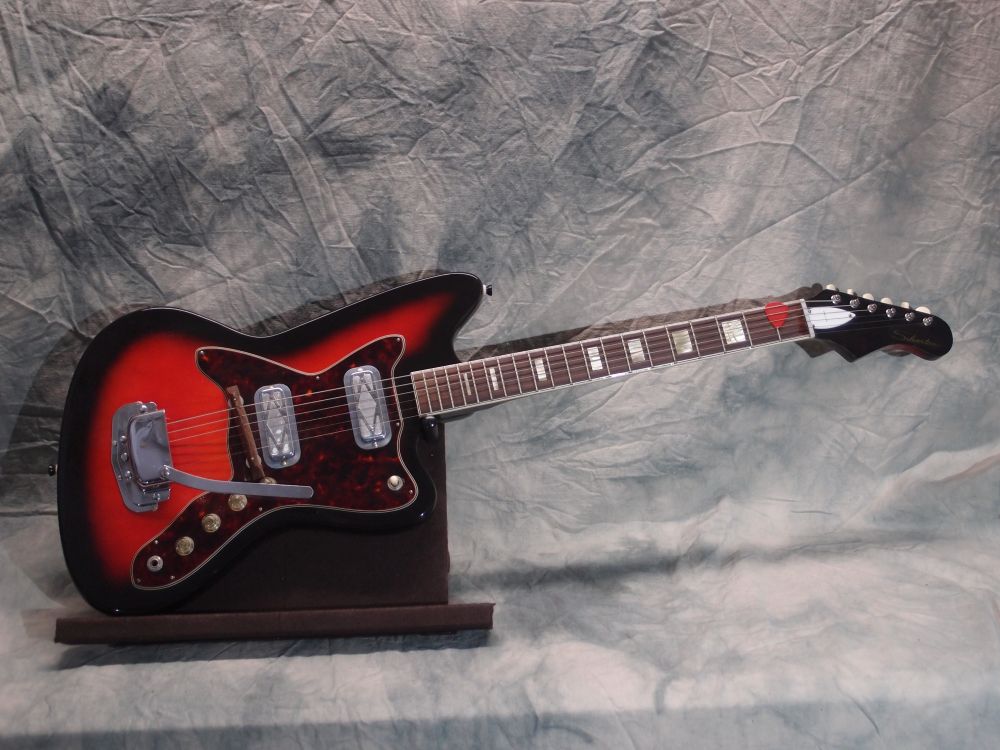
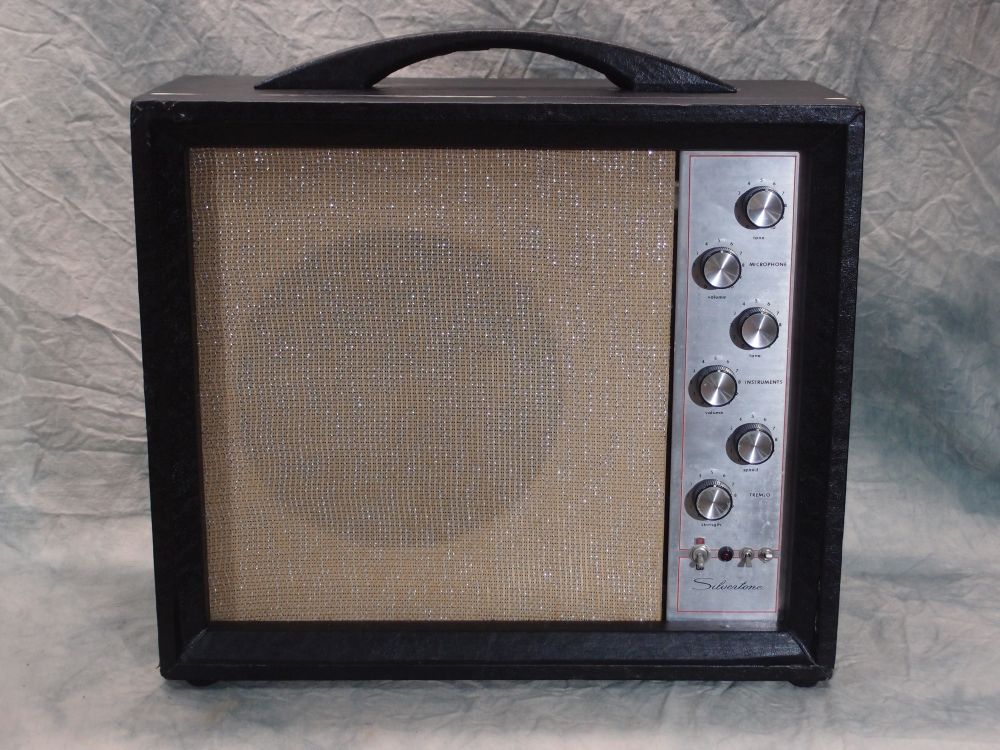
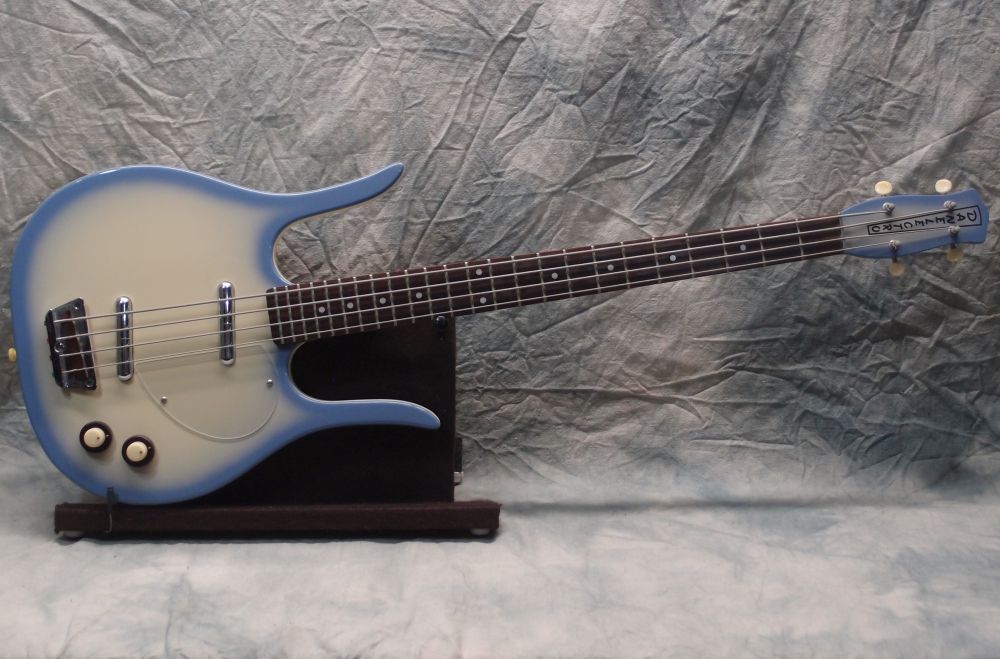
I like to experiment with materials, designs, and techniques outside of conventional luthiery to build low-cost, high-quality, fully-functional, and attractive electric guitars and basses. What I am not interested in is doing the same old thing the same old way it has been done for decades.
This site is arranged in four main sections:
- Home is where you are at now.
- Projects contains details on all the instruments I have built, and some other related subjects.
- Laboratory contains tools, techniques, and designs used in my projects.
- Blog - anything else I feel like writing about: carpentry, programming, music, etc
This site is aimed at the home hobbyist, and particularly the first-time builder. So welcome to the lab. See what's on the slab. I hope you find this site interesting and informative.
Navigating This Site
Main navigation is at the right left around here somewhere. First there is a "breadcrumb trail" showing where you are, with "up-links". This is followed by a list of child pages, or "down-links". Around that is a list of sibling pages, or "side-links". There is also an overall
Site Map
, as well as indexes for each major section. Finally, the search box works surprisingly well, or just hit the Random link.
If you are on a small 'mobile' device like a phone or tablet, the main navigation collapses to a button at the upper-right, with the rest at the bottom. The button opens a condensed popup menu. The mysterious unlabeled checkbox in the menu is a 'pin' that holds it open as you navigate between pages. You can force 'mobile' mode on a larger device by making the browser window narrow. In any case, the layout is optimized to make the best use of the available screen space.
History
This site was assembled from a mass of material I had previously posted on Talk_ass. This is seven years of material - over 200 pages and a gigabyte of images, and ongoing. Just getting it all back up was a huge task.

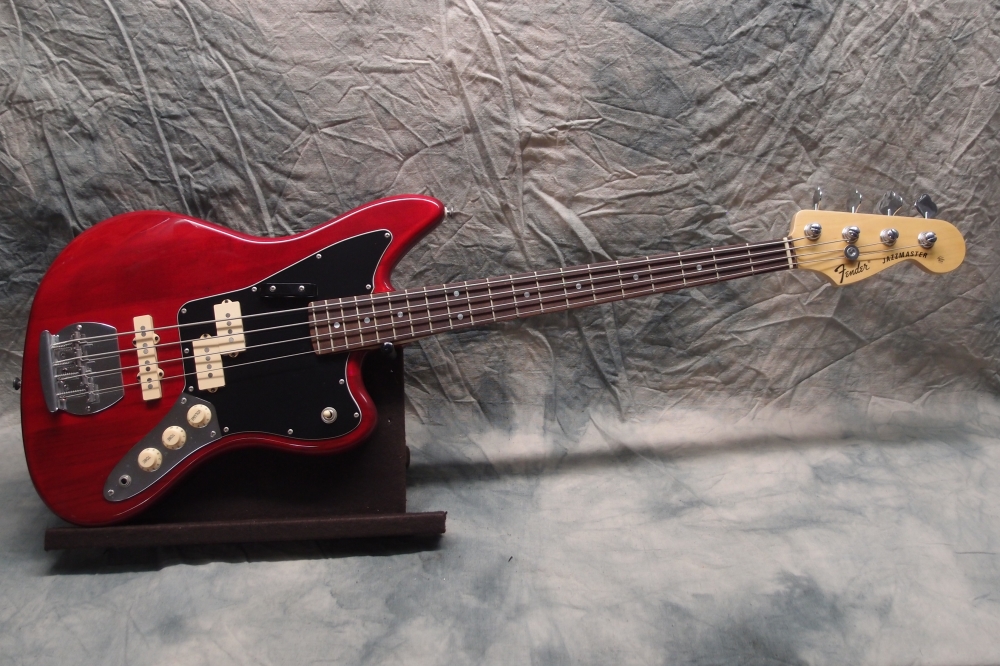
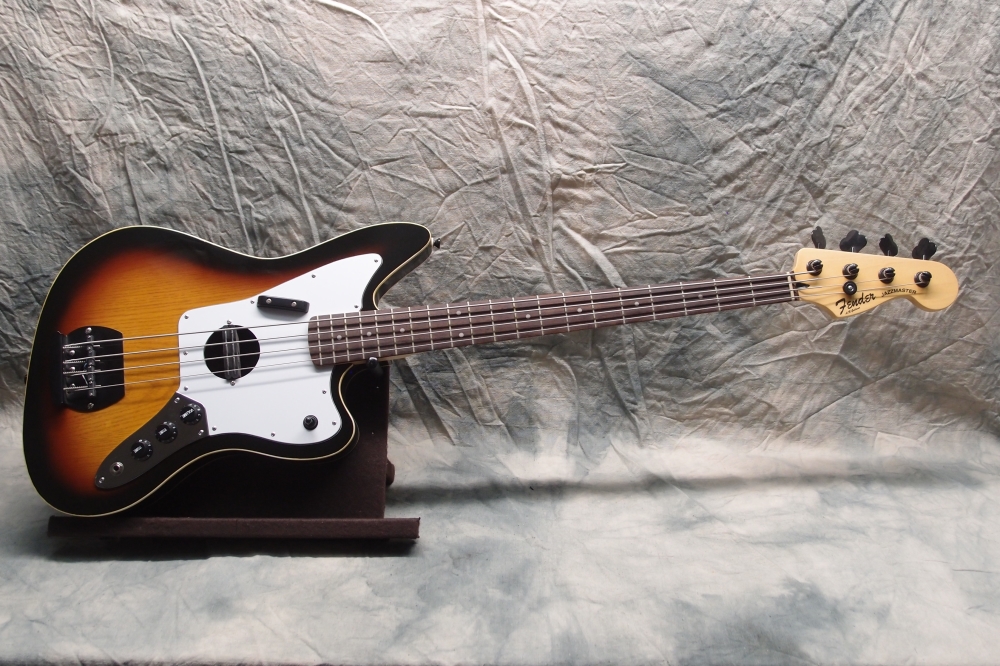
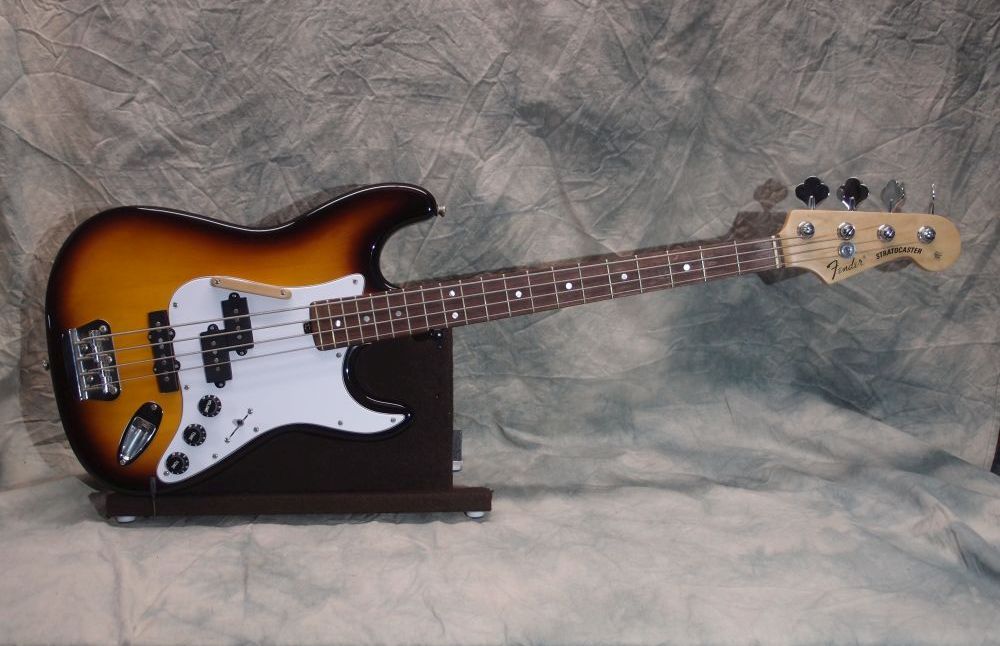
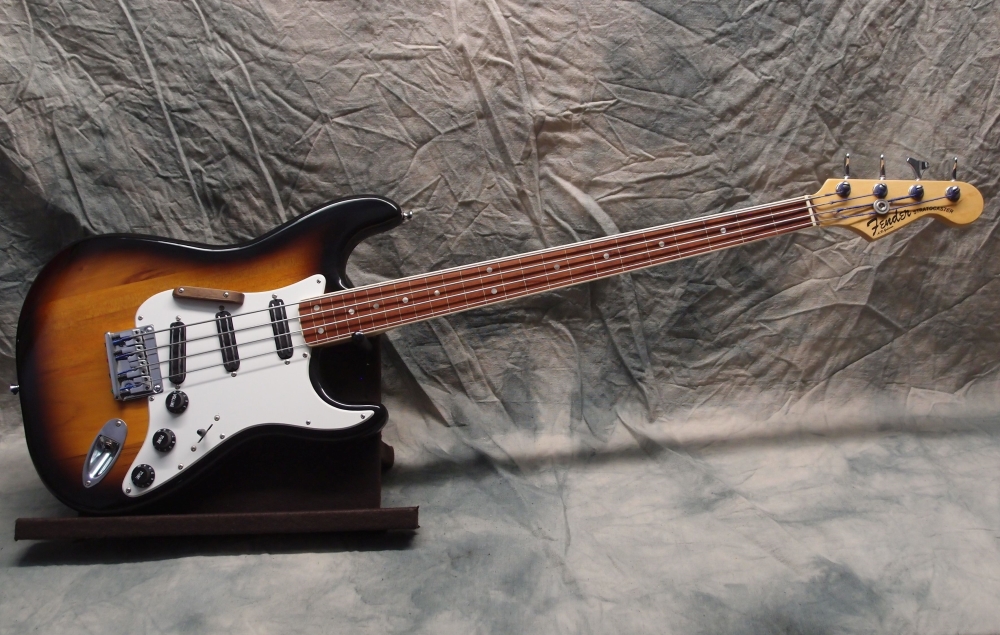
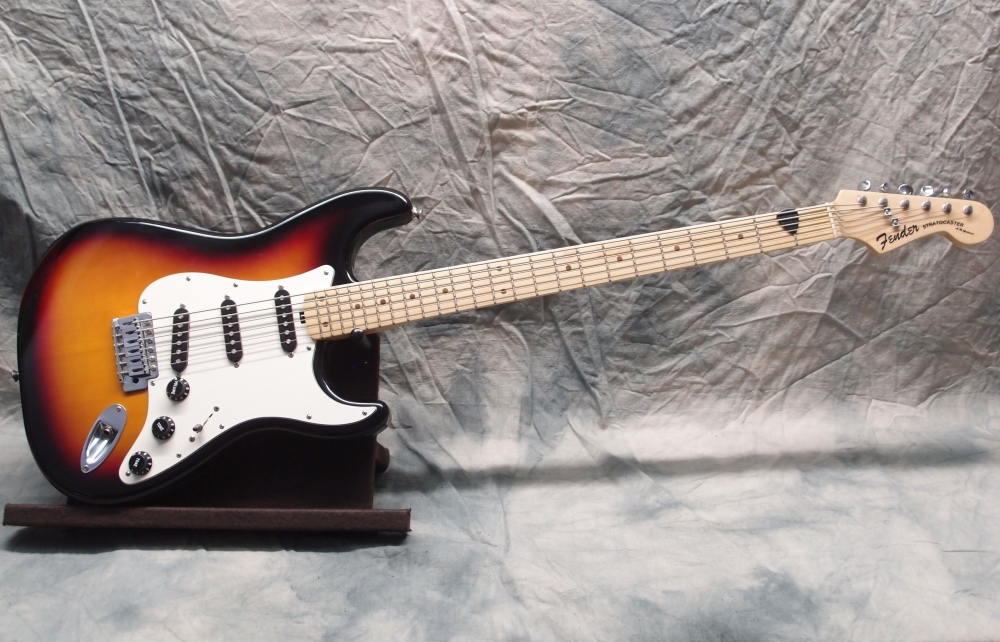
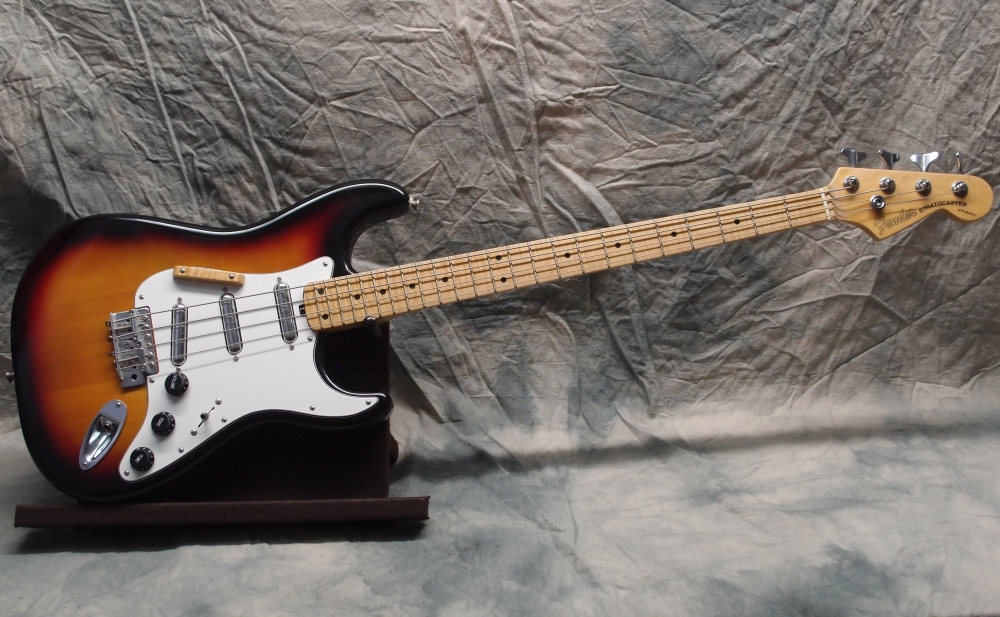
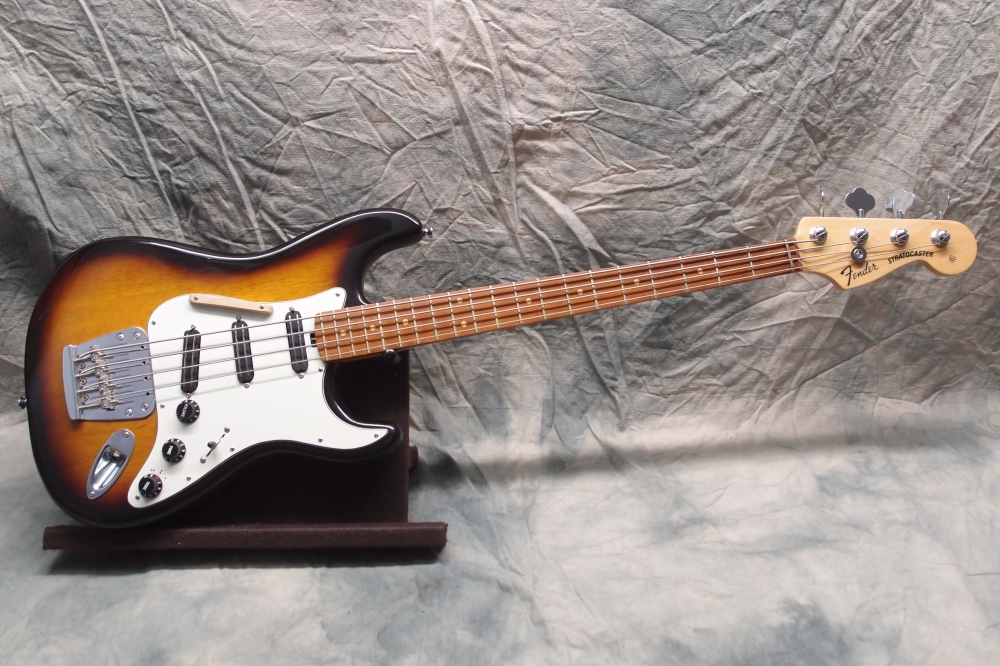
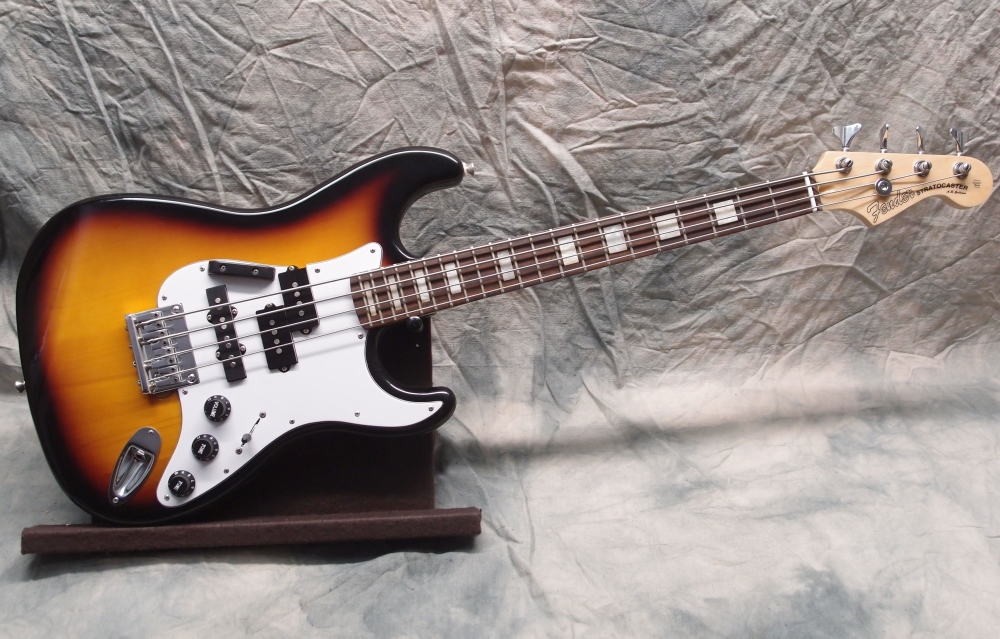
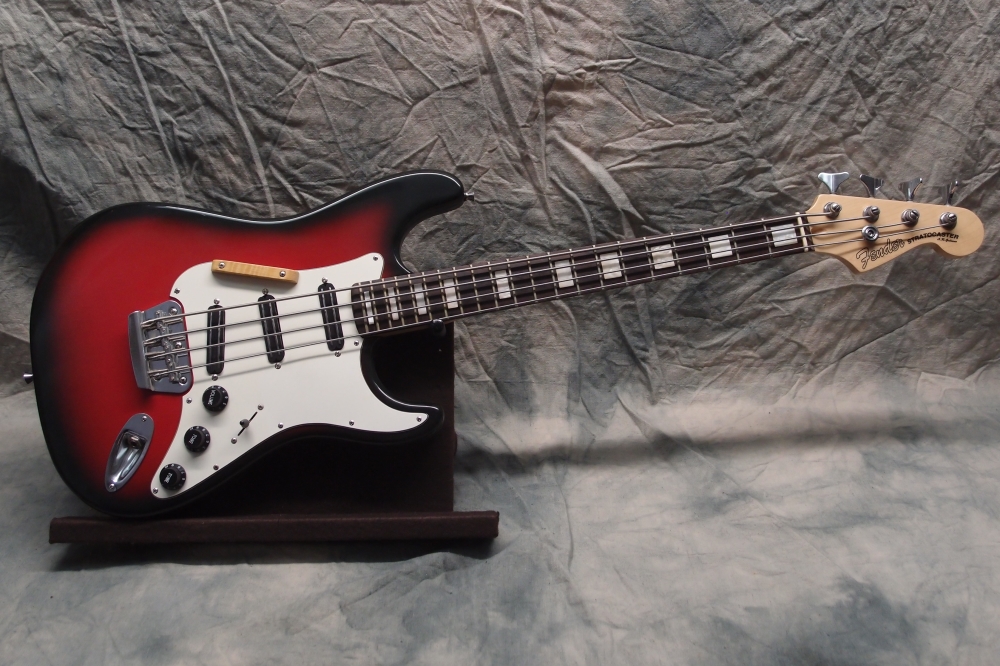
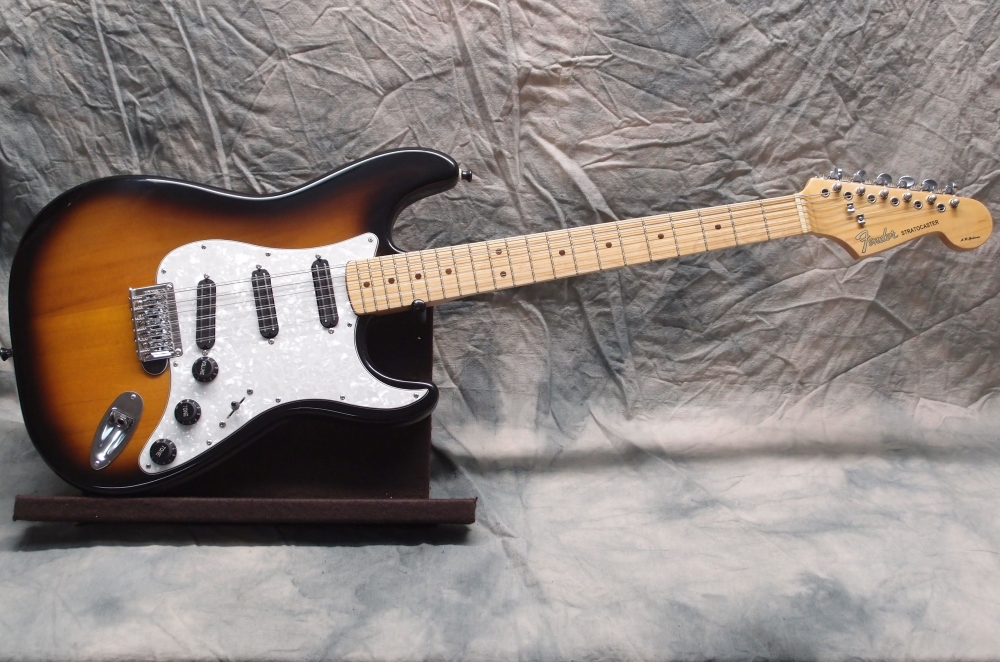
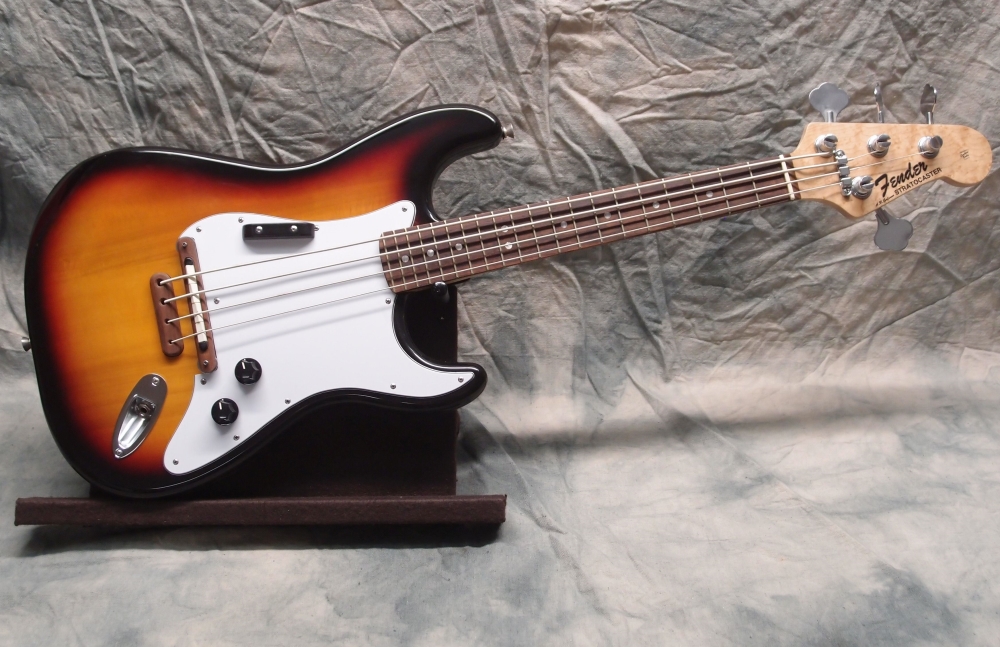
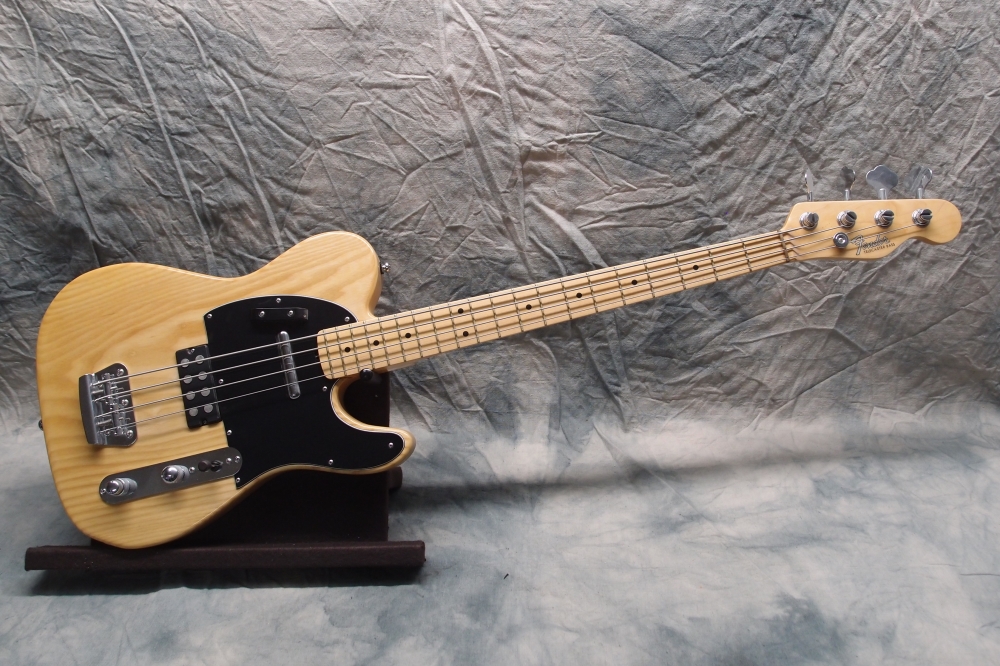
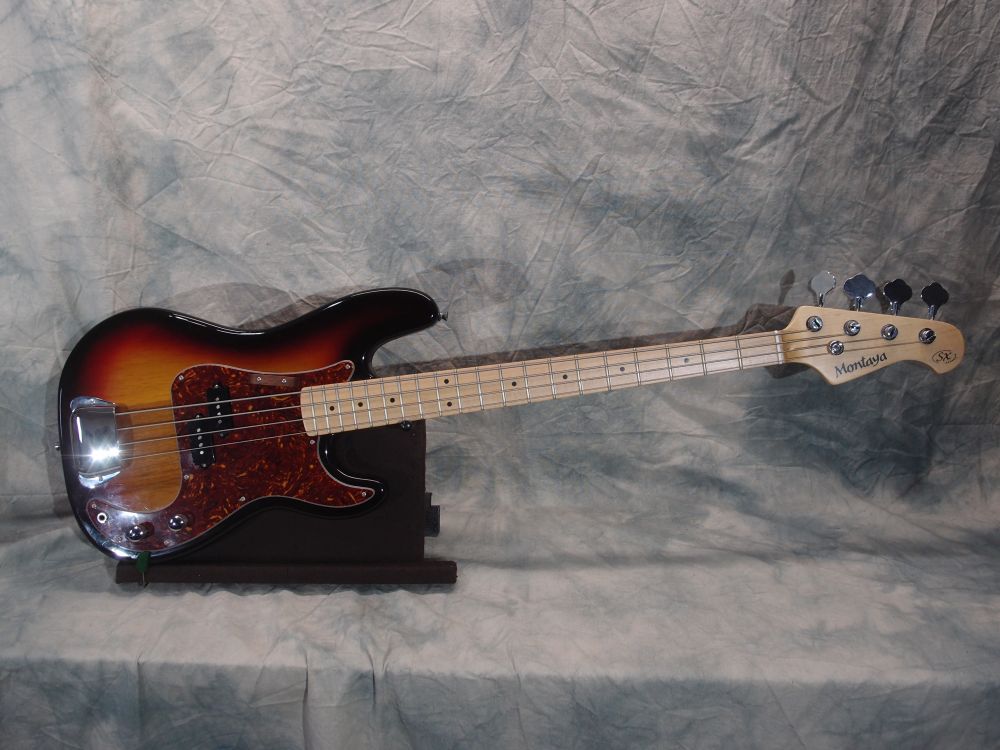
As everyone should know, the Stratocaster guitar is actually the guitar version of the Precision Bass, which came first. The big innovation on both was the extended upper horn, a necessity on a long-necked bass for balance and to bring the low frets within reach when the instrument is hanging on a strap. Not strictly needed on a guitar, but looks great, and back in the 1950s nothing had ever been seen like it. It was an instant hit.
More: Fender Projects ...
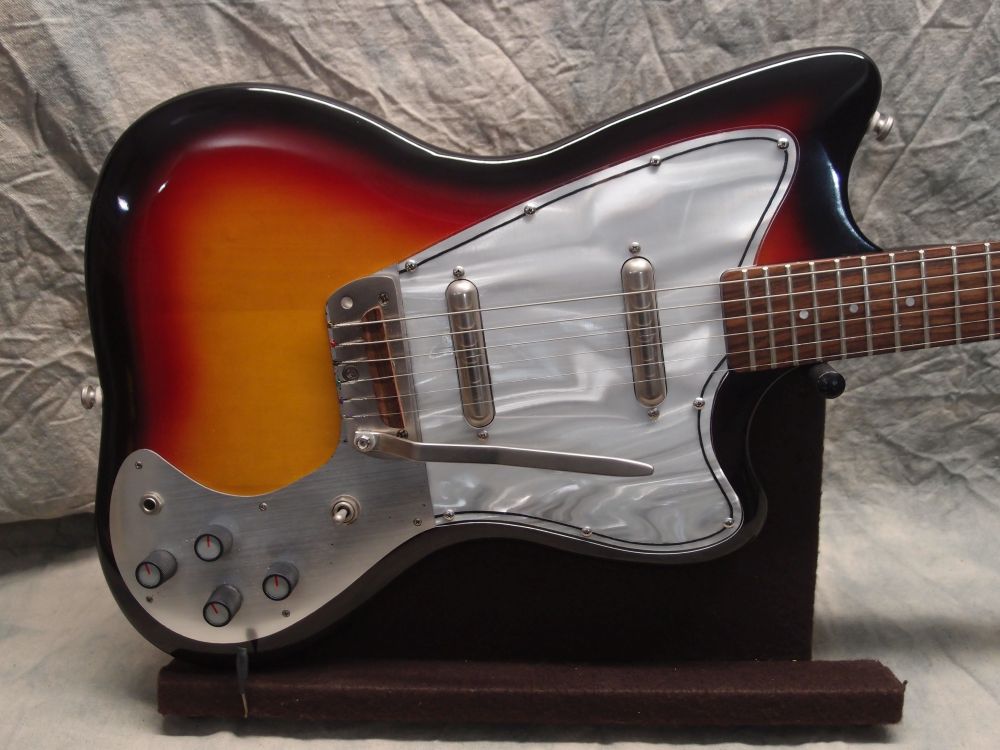
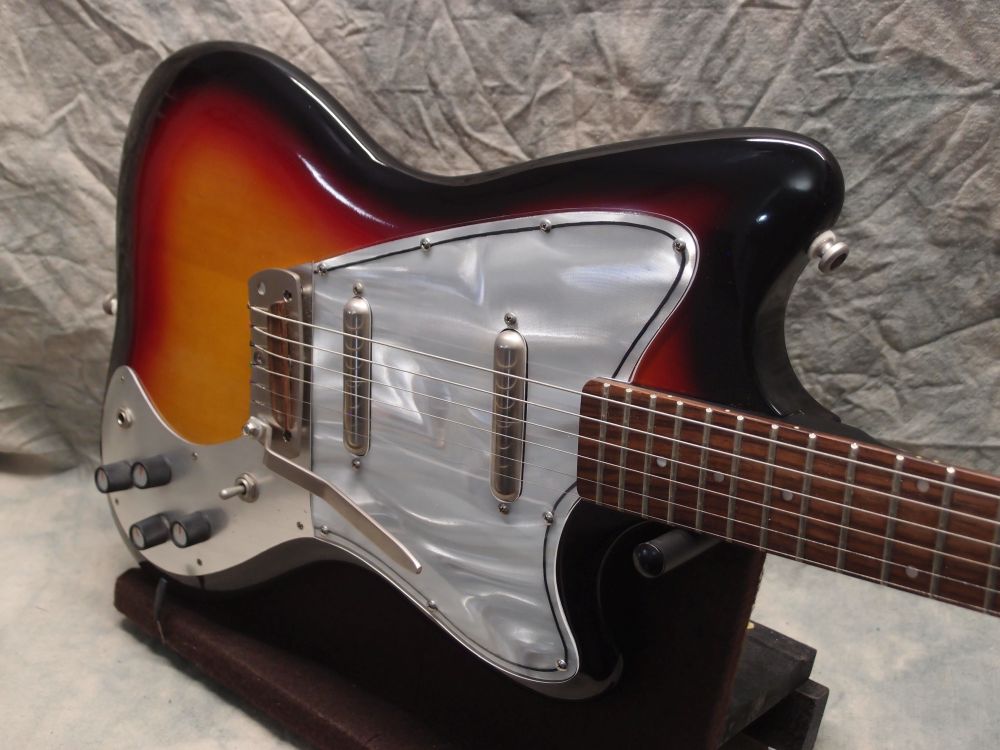
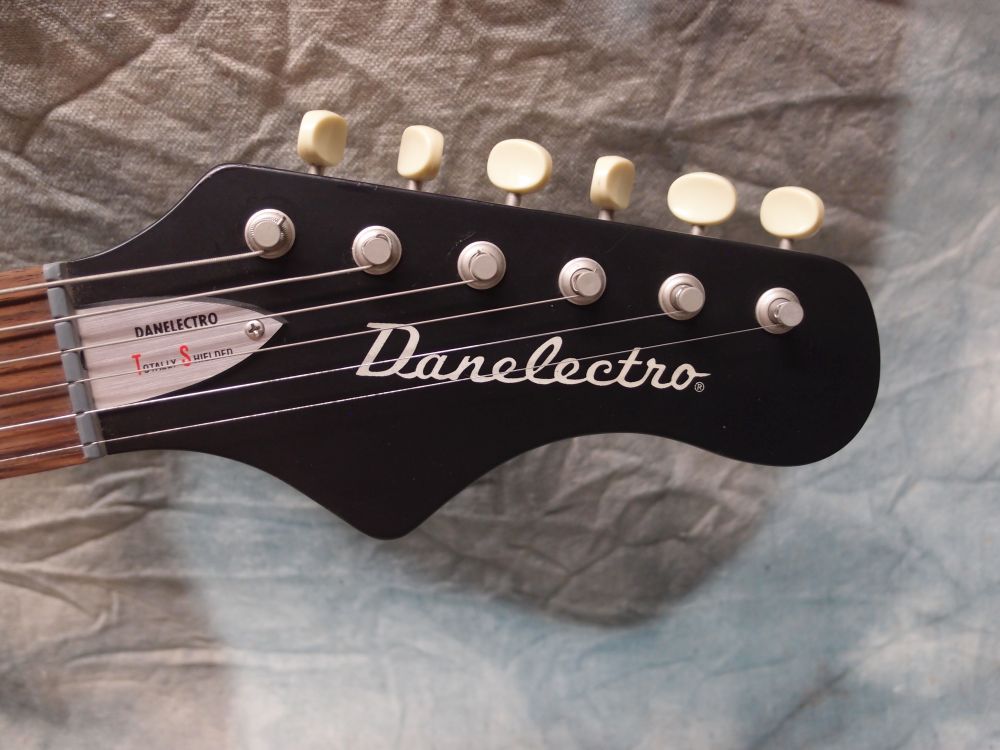
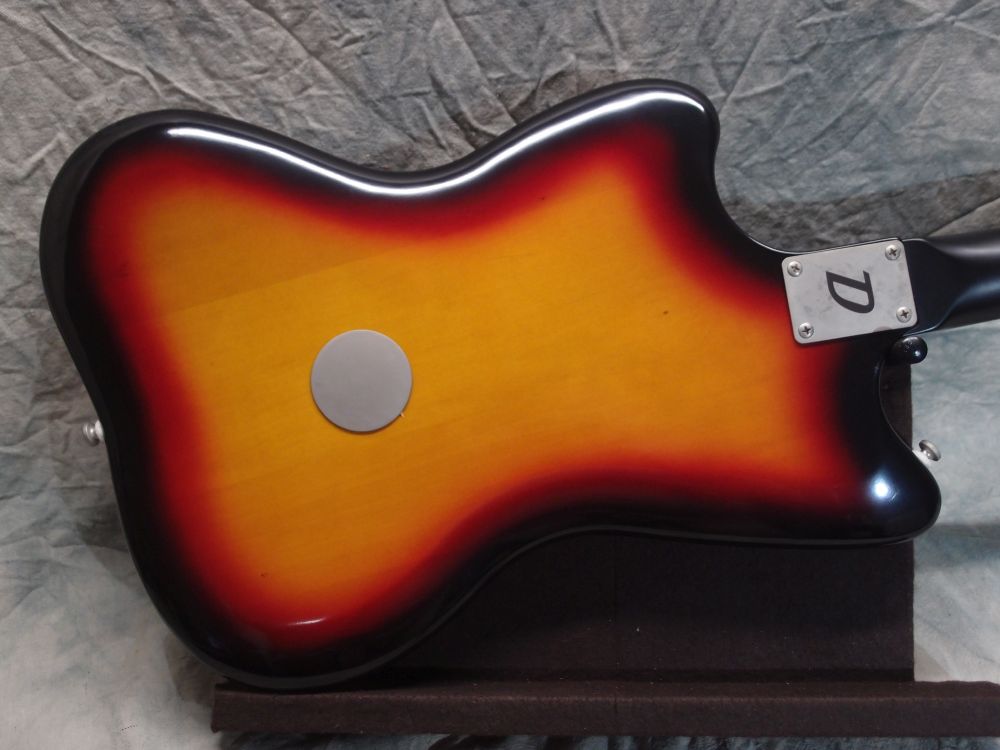
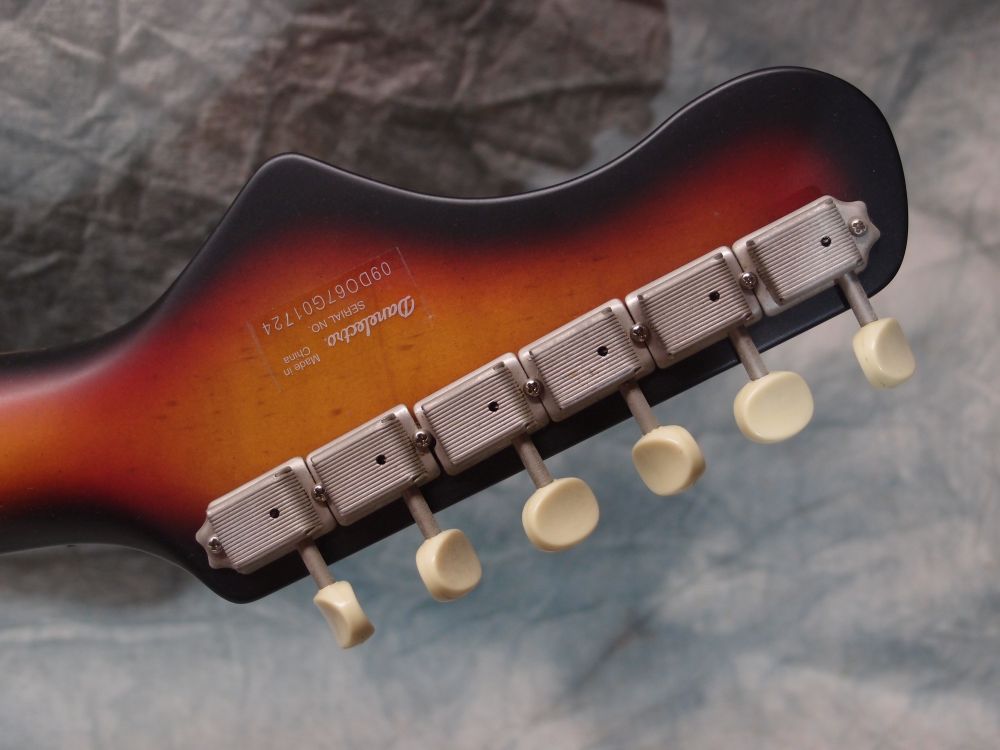
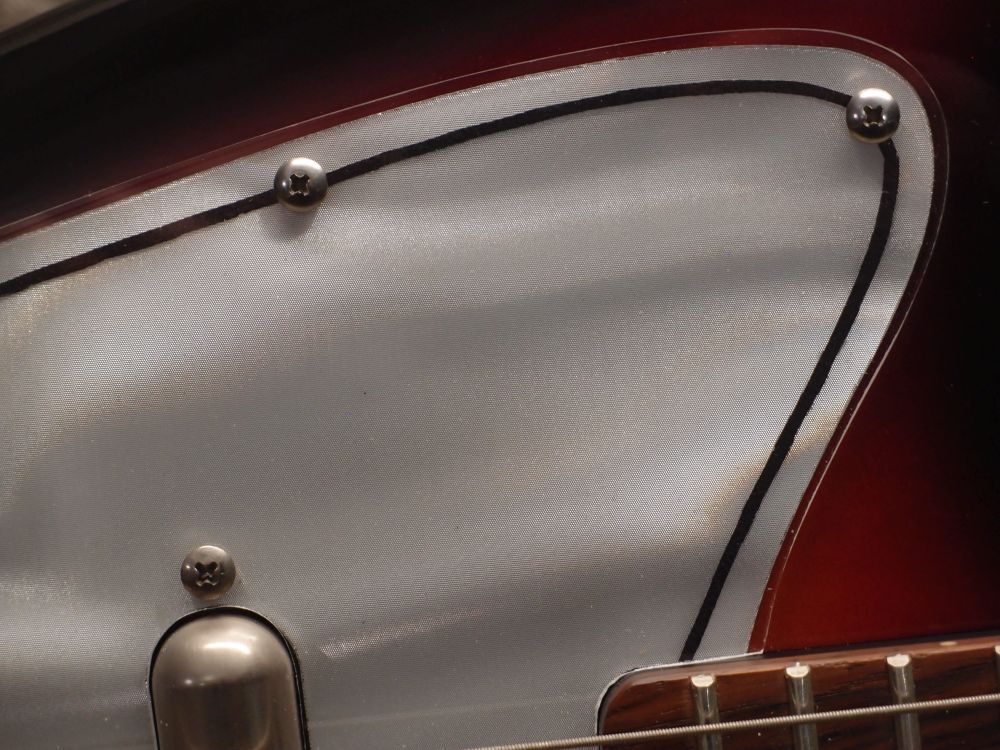
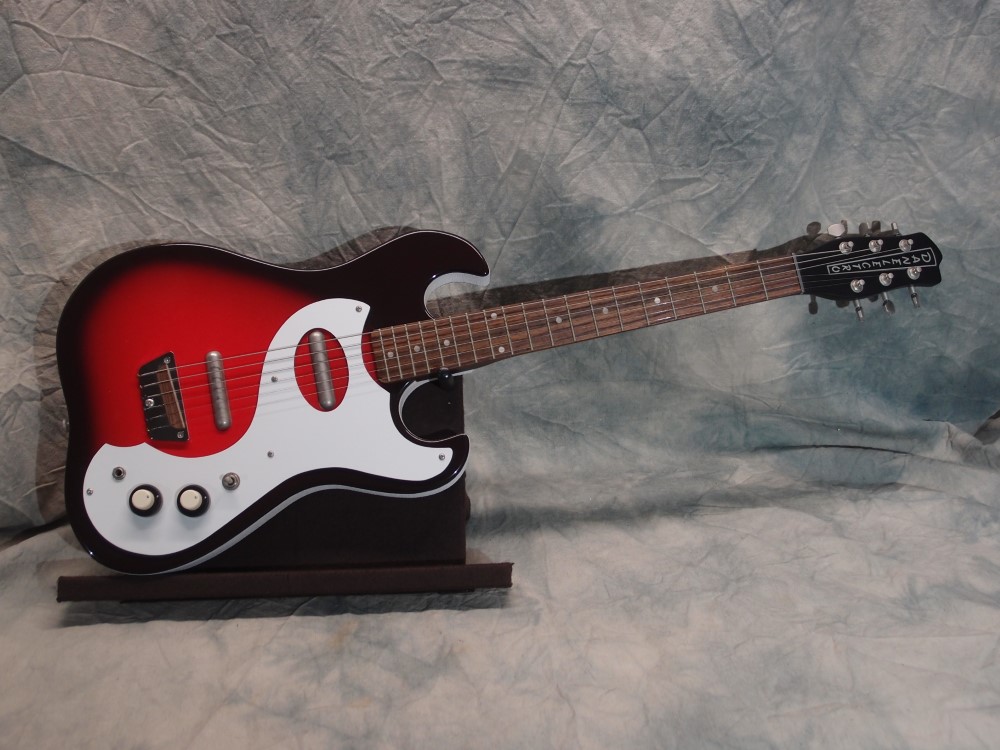
This beauty is Evets' reissue of a 1960s Danelectro Hornet. The solid-body Hornet has the same body outline as the Silvertone 1452, a sort-of cross between a 1457 and a Fender Jazzmaster. But unlike the slab-sided 1452, the body of the Hornet is a continuous curve, front and back, with a completely rounded edge. ( This is as sexy as a guitar gets, but makes it a little slippery on your knee. ) The reissue from Evets has the same contours as the original, and even the same 'lightshow' pickguard. The three-tone sunburst on this one was an exclusive to Guitar Center. I picked this one up as an 'open-box' from their subsidiary Music123 for a song, so to speak. The body was originally slathered in dullcote, which I polished off, resulting in a beautiful shine with just a bit of orange peel that I left.